Category: Stucco Company Near Me

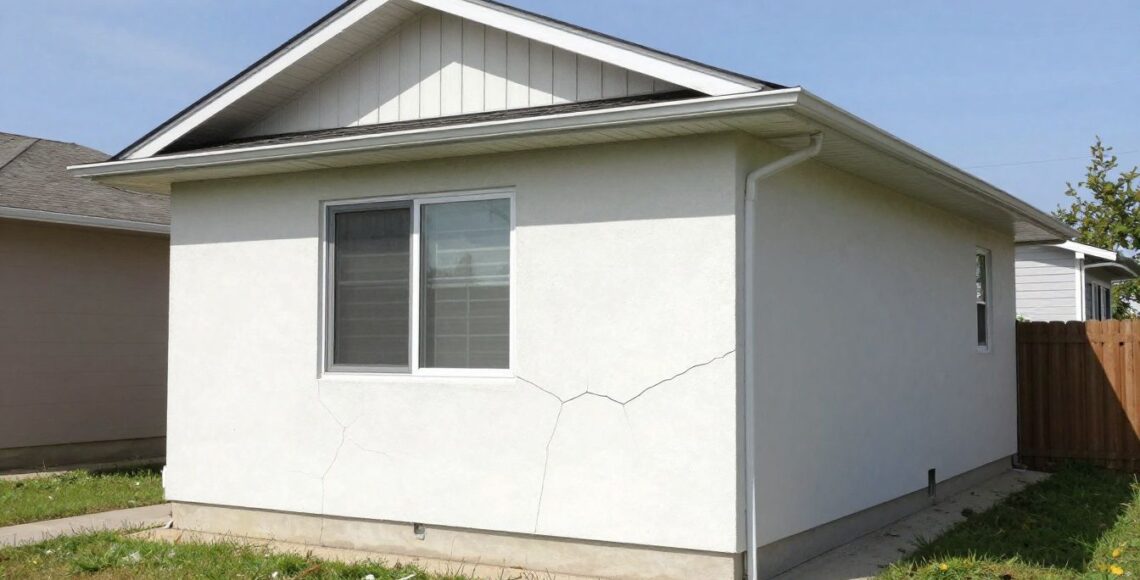
stucco cracs repair

Woodpecker Damage on Stucco and EIFS: Causes, Repair, and Prevention

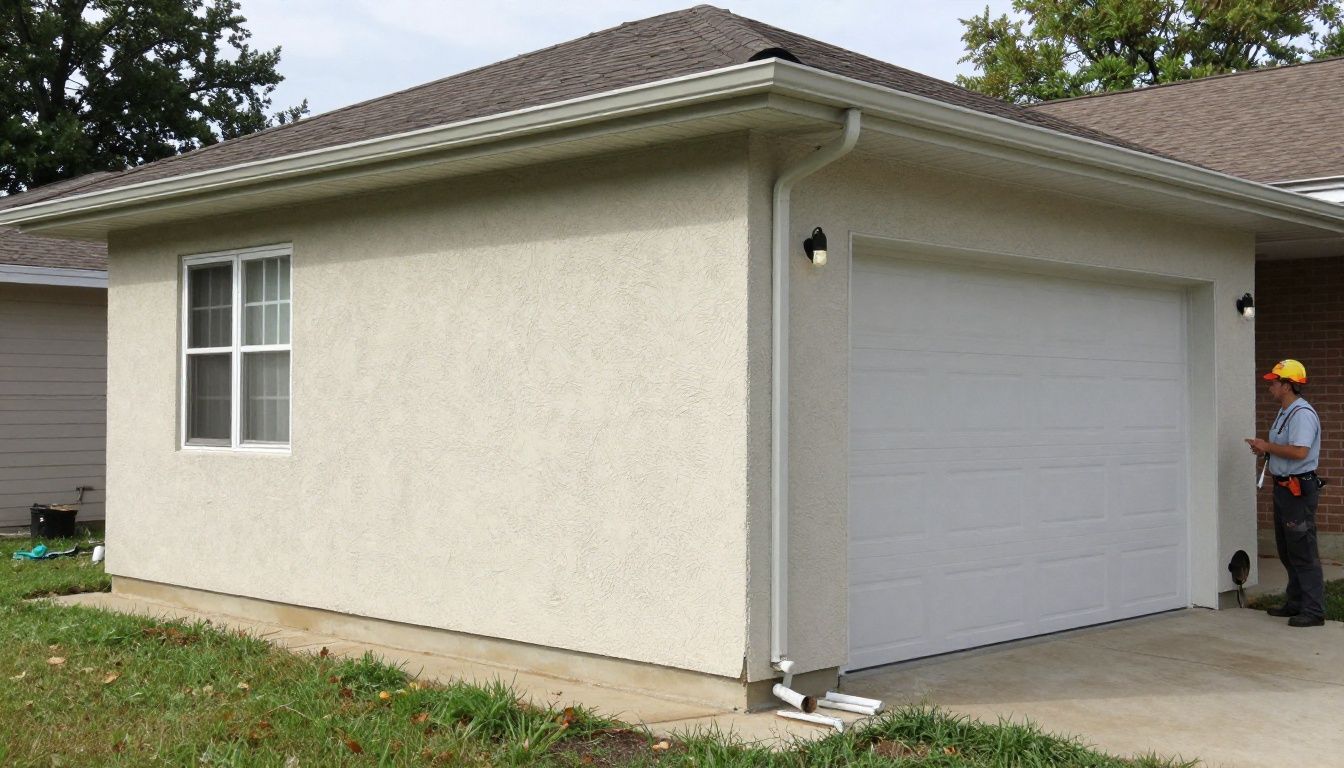
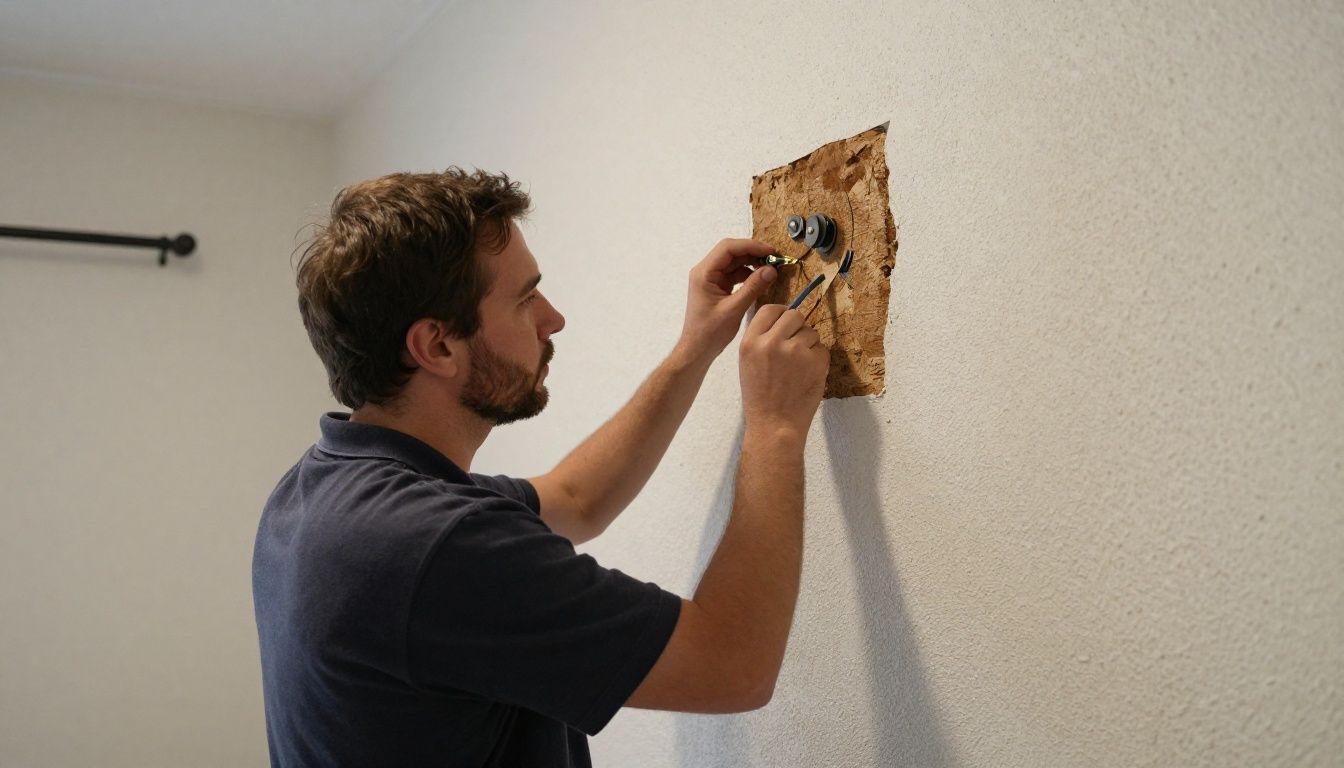
You hear a steady tapping on the side of the house. A few days later you find a neat, round hole in the stucco near the roofline. If that sounds familiar, you are not alone. Every spring and fall, homeowners across Lake Zurich, Barrington, and the North Shore call us about woodpecker damage on stucco and EIFS walls. The holes look small, but they open a direct path for water, insects, and other birds. This guide explains why woodpeckers target stucco homes, what the damage means for your wall, what you can legally do to discourage the birds, and how a proper repair keeps the problem from coming back.

Why Woodpeckers Peck at Stucco and EIFS Homes

Most people assume a woodpecker is hunting for bugs inside the wall. University extension experts say that is rarely the main reason. Woodpeckers usually peck at houses for three reasons:

  • Drumming. In spring, males drum on loud, resonant surfaces to claim territory and attract a mate. A hollow-sounding wall works like a drum.
  • Nesting. Some woodpeckers excavate a round cavity to nest or roost in. This is where the larger, perfectly round holes come from.
  • Feeding. Occasionally a bird is after insects, but this is the least common reason on stucco homes.

Seven species of woodpeckers live in Illinois, and several of them, including the northern flicker and the downy woodpecker, are common in suburban neighborhoods with mature trees.

Why EIFS (Synthetic Stucco) Gets Hit the Hardest

EIFS, often called synthetic stucco, has a layer of foam insulation board behind a thin reinforced finish. When a woodpecker taps on it, the wall sounds hollow, much like a dead tree trunk. Once the bird breaks through the finish, the soft foam is easy to dig into. That is why EIFS walls often end up with clean, round holes, sometimes several in a row, usually high on gable ends, under eaves, and near corners.

Traditional three-coat cement stucco is much harder and does not sound hollow, so it is attacked far less often. It is not immune, though. Birds sometimes peck at trim, soft patches, or areas where the stucco has already cracked or delaminated.

What Woodpecker Holes Mean for Your Wall

A single hole may look like a cosmetic problem. In practice, every opening in a stucco or EIFS wall is a place where water can get in. In northern Illinois, that matters a lot:

  • Water intrusion. Rain and melting snow run into the hole and soak the foam, the base coat, or the sheathing behind it.
  • Freeze-thaw damage. Water trapped in the opening freezes and expands through the winter, widening the damage.
  • New tenants. Even holes too small for a woodpecker to nest in can be taken over by starlings, house sparrows, or insects.
  • Repeat visits. An open hole tells other birds this spot is worth working on. Damage tends to spread if it is left alone.

That is why extension specialists recommend repairing holes of all sizes promptly, not just the big ones. If you see stains, soft spots, or bubbling finish around a hole, water may already be inside the wall. Our guide to stucco water damage explains the warning signs.

Woodpeckers Are Protected: What the Law Allows

Before you do anything, it helps to know the rules. Woodpeckers are protected under the federal Migratory Bird Treaty Act and under the Illinois Wildlife Code. In plain terms, that means:

  • You may not kill, trap, or harm a woodpecker without a permit.
  • Once a nest has eggs or young, you may not remove it or scare the adults away from it.
  • Permits for lethal control are issued only as a last resort, after non-lethal methods have been tried and failed.

The good news is that non-lethal deterrents and solid repairs solve the problem for most homes. The University of Illinois Extension is a good local resource if you want to learn more about the birds themselves.

How to Discourage Woodpeckers From Your Stucco

No single method works every time, so wildlife experts recommend combining several and starting as soon as you hear drumming. Options that are legal and humane include:

  • Reflective and moving deterrents. Reflective tape, foil strips, shiny Mylar balloons, pinwheels, and windsocks hung near the damaged area. Streamers that move in the wind have shown the most consistent results.
  • Netting. Lightweight bird netting stretched taut and set at least 3 inches away from the wall, so birds cannot reach the surface through it.
  • Predator decoys and sound. Owl or hawk models and recorded distress calls can help for a while, but birds often get used to them, so move or change them regularly.
  • Quick repairs. Closing holes fast removes the “hollow spot” that keeps attracting the bird.

Avoid sticky gels and tactile repellents. Federal wildlife officials advise against them because they can damage feathers and harm birds. And never seal a hole until you are sure no birds are nesting inside.

How We Repair Woodpecker Damage on Stucco and EIFS

A tube of caulk or a dab of putty might close the hole for a season, but it will not match your finish and it will not stop water that is already inside. Our repair process looks like this:

  1. Inspect. We check every hole, the area around it, and nearby walls. We look for soaked foam, soft sheathing, and signs of nesting.
  2. Cut back to sound material. Damaged foam, base coat, or stucco is removed in a clean, square patch.
  3. Rebuild the layers. On EIFS, we replace the foam, then apply base coat with reinforcing mesh lapped onto the existing system. On cement stucco, we rebuild the scratch and brown coats.
  4. Add impact resistance where needed. On walls that birds keep targeting, a heavier reinforcing mesh in the base coat can make the surface tougher to break through.
  5. Match the finish. We match texture and color so the patch blends with the rest of the wall.
  6. Seal and check. Joints around windows and trim near the repair are resealed, and drainage details are checked.

If many areas are affected or the finish is worn overall, a full recoat or an elastomeric coating can refresh the whole elevation after the holes are repaired. For larger EIFS problems, see our EIFS services page.

When to Call a Stucco Professional

Small, fresh holes caught early are a quick fix. Call a stucco contractor when:

  • You find more than one or two holes, or holes high on the wall where you cannot safely reach.
  • The finish around the hole is cracked, stained, soft, or bulging.
  • The holes are on EIFS, where foam and mesh need to be rebuilt correctly to keep the system watertight.
  • Birds keep coming back to the same wall after you have patched it yourself.

Fall is an ideal time to repair woodpecker damage, before freeze-thaw season starts and before birds begin drumming again in spring. Our stucco repair team can inspect the damage and give you a clear plan.

Frequently Asked Questions

Why is a woodpecker pecking my house?

Usually to drum for territory or to dig a nesting cavity, not to find food. Hollow-sounding walls, especially EIFS, attract drumming and nesting birds.

Do woodpeckers prefer EIFS over regular stucco?

Yes. EIFS sounds hollow and has soft foam behind a thin finish, so it is far easier for birds to break into than hard cement stucco.

Can I get rid of woodpeckers myself?

You can use legal, non-lethal deterrents like reflective tape, streamers, and netting set 3 inches from the wall. Killing or trapping woodpeckers, or disturbing an active nest, is illegal without a permit.

Can I just fill the holes with caulk?

Caulk can be a short-term emergency seal, but it will not match the finish or fix wet foam and sheathing behind the hole. A proper patch rebuilds each layer of the wall.

When is the best time to repair woodpecker holes?

As soon as you are sure no birds are nesting inside. Fall repairs are ideal in the Chicago area because they close the wall before winter weather and spring drumming season.

Does Illinois Stucco repair woodpecker damage?

Yes. We repair woodpecker and bird damage on both traditional stucco and EIFS throughout Lake Zurich, Barrington, Wilmette, Winnetka, Evanston, and nearby communities.

Get Your Woodpecker Damage Repaired

If birds have left holes in your stucco or EIFS, do not wait for winter to make the damage worse. Call Illinois Stucco at (847) 809-1019 for a free estimate, or contact us online. We are located at 136 W Harbour Drive, Lake Zurich, IL 60047, open Monday through Saturday, 8 AM to 4 PM.

How to Prepare Your Stucco for a Chicago Winter: Fall Checklist

Every fall, Chicagoland homeowners rake leaves, clean gutters, and winterize sprinkler systems. But one of the most important parts of the house is often left off the checklist: the stucco exterior. Winter in northern Illinois is hard on building materials, and stucco is no exception. Repeated freezing and thawing, wind-driven snow, ice dams, and months of moisture can turn a small hairline crack in October into a costly repair by April. This guide explains how to prepare stucco for a Chicago winter, what freeze-thaw damage looks like, which tasks you can handle yourself, and when it makes sense to call a professional stucco contractor before the cold sets in.

Illinois Stucco has served homeowners and businesses across Lake Zurich, Barrington, Wilmette, Winnetka, Evanston, and the greater Chicago suburbs since 2002. Over more than 20 years, we have seen the same pattern again and again: the homes that come through winter with the fewest problems are the ones that were inspected and sealed in the fall. Here is everything you need to know.

Why Chicago Winters Are So Hard on Stucco

Stucco is a durable, long-lasting cladding. Properly installed and maintained, a traditional cement-based stucco exterior can last for decades. It is fire resistant, it stands up well to wind, and it gives a home a clean, timeless look. However, stucco is also a porous, rigid material. It absorbs some moisture and releases it again as it dries, and it does not flex much when the structure behind it moves. Those two characteristics are exactly what Midwest winters test.

The Freeze-Thaw Cycle Explained

The biggest threat to stucco in northern Illinois is not simply cold temperatures. It is the constant swing between freezing and thawing. On a typical Chicagoland winter day, the temperature may climb above freezing in the afternoon sun and then drop well below freezing overnight. Each time that happens, any water that has found its way into the stucco goes through a full cycle:

  1. Water enters through hairline cracks, gaps around windows, failed sealant joints, or simply through the pores of an unsealed finish.
  2. The water freezes overnight. When water turns to ice, it expands by roughly 9 percent in volume.
  3. The ice pushes outward on the walls of the crack or pore, widening it slightly.
  4. The ice melts the next day, and more water flows into the now-larger opening.
  5. The cycle repeats again and again throughout the season.

One freeze-thaw cycle does very little harm. The problem is that a Chicago winter can deliver dozens of them between November and April. A crack you can barely see in the fall can open up, branch out, and allow water to reach the lath and sheathing behind the stucco by spring.

Snow, Ice Dams, and Wind-Driven Moisture

Freeze-thaw is not the only winter stress. Snow piled against the base of a wall keeps the bottom few feet of stucco wet for weeks. Ice dams on the roof can send meltwater behind gutters and down the face of the wall. Strong winds off Lake Michigan and across the open prairie push rain and sleet sideways into joints and openings that normally stay dry. Each of these sources adds moisture to the wall system at the exact time of year when it has the least chance to dry out.

De-Icing Salt and Splash Zones

Rock salt and chemical de-icers are a winter necessity on Chicagoland driveways and walkways, but they can be hard on masonry and stucco. Salt-laden slush splashed onto the lower portion of a wall can contribute to efflorescence (white, powdery deposits), surface scaling, and discoloration. Areas near garage doors, front steps, and walkways are especially vulnerable.

Signs Your Stucco Needs Attention Before Winter

The best time to find problems is in early to mid fall, while the weather is still mild enough to make repairs. Walk around your home on a dry, bright day and look closely at every elevation. Watch for these warning signs:

  • Hairline cracks wider than a credit card’s thickness, or any crack that has grown since last year
  • Spiderweb or map cracking spread across a section of wall
  • Diagonal cracks running from the corners of windows and doors
  • Bubbling, blistering, or peeling paint on the stucco surface
  • Dark streaks or staining below windows, sills, or roof lines
  • Soft, crumbly, or hollow-sounding areas when you tap gently on the wall
  • Efflorescence, the white, chalky residue that indicates water moving through the material
  • Gaps or failed caulk around windows, doors, vents, hose bibs, and light fixtures
  • Stucco in contact with soil or mulch at the base of the wall
  • Mold, mildew, or green algae, especially on north-facing walls that stay shaded

Inside the house, look for peeling paint, stains, or musty odors on the interior side of exterior walls, particularly under windows. Interior symptoms often mean water has already made it through the stucco and into the wall cavity. If you are not sure what you are looking at, our article on why stucco cracks in Chicago explains the most common causes in more detail.

Your Fall Stucco Winterization Checklist

Use this checklist each fall, ideally in September or October, while daytime temperatures are still comfortably above freezing. Some items are simple homeowner tasks; others are best left to a professional.

1. Clean Gutters and Check Downspouts

Overflowing gutters are one of the leading causes of stucco water damage. When gutters clog with leaves, water spills over the edge and runs straight down the face of the wall. Clean gutters thoroughly after most of the leaves have fallen, make sure they slope properly toward the downspouts, and confirm that every downspout discharges at least several feet away from the foundation. Downspout extensions are inexpensive and make a real difference.

2. Inspect and Re-Caulk Around Openings

The joints where stucco meets windows, doors, trim, vents, and utility penetrations are the most common entry points for water. Sealant breaks down over time from UV exposure and seasonal movement. Look for caulk that is cracked, shrunken, pulled away from either side, or missing entirely. Replace failed sealant with a high-quality, flexible exterior sealant that is compatible with stucco. Avoid simply smearing new caulk over old; remove the failed material first so the new bead can bond properly.

3. Seal Small Hairline Cracks

Very fine, stable hairline cracks can often be addressed with an elastomeric crack filler or a professional-grade patching compound designed for stucco. The goal before winter is to close the crack so water cannot get in and start the freeze-thaw cycle. Keep in mind that wider cracks, cracks that have reopened after a previous repair, or cracks accompanied by bulging or soft stucco usually point to a deeper issue and should be evaluated by a professional. Learn more about our stucco crack repair and sealing services.

4. Pull Back Soil, Mulch, and Landscaping

Stucco should never be buried in soil or mulch. When the bottom edge of the wall sits in damp material, it wicks moisture all winter long. Maintain a clear gap between the bottom of the stucco and the ground (typically several inches, depending on how the system was installed). Make sure the soil grades away from the house so water drains outward, not toward the foundation. Trim shrubs and plants so they do not rub against the wall or trap moisture against it.

5. Trim Trees and Overhanging Branches

Branches that hang over the roof or brush against the walls can drop debris into gutters, scrape the finish in winter winds, and keep sections of the wall shaded and damp. Heavy snow and ice can also bring weak limbs down onto the house. Fall is the right time to trim them back.

6. Clean the Stucco Surface Gently

Dirt, mildew, and algae hold moisture against the surface. A gentle cleaning with a soft brush, a garden hose, and a mild detergent can remove buildup before winter. Avoid high-pressure washing; aggressive pressure can drive water into the stucco, damage the finish coat, and open up small cracks. Make sure the wall has plenty of time to dry completely before temperatures drop below freezing.

7. Consider a Breathable Sealer or Elastomeric Coating

A quality water-repellent sealer or elastomeric coating can significantly reduce how much water the stucco absorbs. The key word is breathable. Stucco needs to release water vapor from inside the wall; a non-breathable product can trap moisture behind it and cause bubbling and peeling. Product selection and application depend on the type of stucco on your home, its age, and its current condition. A professional stucco painting and coating service can recommend the right product and apply it at the right temperature.

8. Check Hose Bibs, Vents, and Light Fixtures

Shut off and drain outdoor faucets before the first hard freeze. A burst hose bib inside the wall can send a surprising amount of water behind the stucco. While you are at it, check that dryer vents, exhaust fans, and exterior light fixtures are sealed where they pass through the wall.

9. Schedule a Professional Stucco Inspection

Even the most attentive homeowner can only see the surface. A trained stucco contractor knows where problems tend to hide, how to tell a cosmetic crack from a structural one, and when moisture testing is warranted. Illinois Stucco recommends an annual inspection, and fall is the ideal time to schedule it. Read our guide to stucco inspections in Chicagoland to learn what a professional inspection includes.

Can Stucco Be Repaired in Cold Weather?

This is one of the most common questions we hear in October and November. The short answer is: timing matters a great deal. Traditional cement-based stucco cures through a chemical process called hydration, and that process slows dramatically in cold temperatures. If fresh stucco freezes before it has had a chance to cure, the water inside it can expand and weaken the material, leading to poor bonding, cracking, and a shorter service life.

Industry guidelines generally recommend that stucco not be applied when temperatures are below about 40°F, and that the material be protected from freezing during the curing period. Paints, elastomeric coatings, and sealants have their own minimum application temperatures, which are typically listed by the manufacturer. In practical terms, this means:

  • Early fall (September to mid-October) is usually the best window for stucco repairs, re-coating, and sealing in Chicagoland.
  • Late fall (late October to November) can still work, but projects become more dependent on the weather forecast, and cold nights can limit the schedule.
  • Winter is generally not suitable for most exterior stucco work without special measures such as temporary enclosures and heat, which add cost and complexity.
  • Emergency repairs to stop active water intrusion can sometimes be handled with temporary measures until conditions allow a permanent repair in spring.

If your fall inspection turns up a problem, the sooner you schedule the work, the more likely it is that it can be completed properly before winter. Waiting until the first snowfall often means living with the damage, and letting it grow, until April.

What Happens If You Skip Winter Prep?

Skipping one season of maintenance does not guarantee a disaster, but it raises the odds of more expensive problems. Common outcomes we see in spring include:

Widened and Spreading Cracks

Small cracks that were left open in the fall often return in spring longer, wider, and with new branches. What could have been a simple sealing job may now require cutting out and patching larger sections.

Delamination and Spalling

When water freezes behind the finish coat, it can push the outer layer away from the base coat. The result is hollow areas, bulges, or pieces of stucco that flake or pop off entirely. These areas need to be removed and rebuilt.

Water Damage Behind the Wall

The most serious and most expensive consequence is hidden moisture damage. Once water reaches the sheathing, framing, or insulation, it can lead to rot, mold, and compromised structural components. This kind of damage is often invisible from the outside until it is advanced. Our article on stucco water damage repair covers the warning signs and repair process.

Paint Failure and Discoloration

Moisture trapped in the wall tries to escape through the surface, which can cause paint to bubble, blister, and peel. Efflorescence and staining also become more noticeable after a wet winter. See our guide to bubbling and peeling stucco for more on what causes these issues.

Traditional Stucco vs. EIFS in Winter

Not every “stucco” exterior is the same, and the type of system on your home affects how it handles winter. Traditional three-coat stucco is a cement-based system applied over lath. It is hard and impact resistant but relatively rigid, so it is more prone to hairline cracking from movement and freeze-thaw stress.

EIFS (Exterior Insulation and Finish System), sometimes called synthetic stucco, uses foam insulation board with a reinforced base coat and an acrylic finish. It adds insulation value and is more flexible, but older EIFS installations without a drainage plane can be vulnerable to trapped moisture if water gets behind the system through failed joints or flashing. With either system, sealed joints, proper flashing, and regular inspection are the keys to getting through winter without damage. For a deeper comparison, read traditional stucco vs. synthetic stucco in Chicagoland, or learn about our EIFS installation services.

DIY vs. Professional Winter Stucco Prep

Many fall maintenance tasks are well within reach of a handy homeowner. Others are better handled by an experienced contractor. Here is a simple way to think about it:

Good DIY Tasks

  • Cleaning gutters and extending downspouts
  • Pulling back mulch and soil from the base of the wall
  • Trimming plants and branches
  • Gentle surface cleaning with a hose and soft brush
  • Replacing small, accessible sections of failed caulk
  • Draining and shutting off outdoor faucets
  • Walking the property and documenting cracks with photos

Tasks Best Left to a Professional

  • Evaluating cracks that are wider than a hairline, growing, or recurring
  • Repairing soft, hollow, bulging, or delaminated stucco
  • Investigating stains, interior water damage, or suspected moisture behind the wall
  • Applying elastomeric coatings or sealers across the full exterior
  • Work on second stories, steep grades, or other areas that require ladders or scaffolding
  • Matching texture and color on visible patches
  • Any repair on an EIFS system, where improper patching can compromise the waterproofing

A good rule of thumb: if you are not sure whether a crack is cosmetic or a sign of something bigger, have it looked at. A professional inspection costs far less than repairing water damage that went unnoticed through a Chicago winter. If you are budgeting for repairs, our article on how much stucco repair costs in Chicago can help you plan.

A Season-by-Season Stucco Care Calendar for Chicagoland

Winter preparation works best as part of a year-round routine. Here is a simple calendar Chicagoland homeowners can follow:

Spring (March to May)

Walk the exterior once the snow has melted. Look for new cracks, spalling, or stains that developed over winter. Clean gutters again and check that downspouts are still connected. Spring is a great time to schedule repairs, as temperatures rise into a range suitable for stucco work.

Summer (June to August)

Summer offers the most reliable weather for larger projects such as stucco restoration, re-stucco and resurfacing, or full repainting. Keep an eye on irrigation; sprinklers spraying directly on the walls add unnecessary moisture.

Fall (September to November)

This is your winterization window. Complete the checklist above, schedule your annual professional inspection, and make any needed repairs before nighttime temperatures start dropping below freezing.

Winter (December to February)

Keep snow shoveled away from the base of the walls when practical, avoid piling snow against the house, watch for ice dams, and limit how much de-icing salt ends up splashing onto the stucco. Note any problems you see so they can be addressed first thing in spring.

Why Local Experience Matters

Stucco behaves differently in different climates. Techniques and products that work well in Arizona or Florida are not always the best fit for a region with harsh winters, humid summers, and frequent temperature swings. A contractor with deep local experience understands how stucco performs in northern Illinois, which repair methods hold up through freeze-thaw cycles, and how to time projects around the Chicagoland weather.

Illinois Stucco has worked on homes and commercial buildings throughout the Chicago suburbs since 2002. Our team provides stucco repair, stucco installation, restoration, painting, EIFS, masonry restoration, and resurfacing, with the same goal on every project: a durable, attractive exterior that stands up to Midwest weather year after year. You can see examples of our work in our project gallery.

Frequently Asked Questions

When should I prepare my stucco for winter in Chicago?

The best time is early to mid fall, typically September through mid-October. Temperatures are usually still warm enough for sealants, coatings, and stucco repairs to cure properly, and you have time to schedule professional work before the first hard freeze.

Can freeze-thaw cycles really damage stucco?

Yes. When water enters cracks or pores and then freezes, it expands and puts pressure on the surrounding material. Repeated over many cycles in a Chicago winter, this can widen cracks, cause the finish coat to separate, and let water reach the wall structure behind the stucco.

Is it safe to repair stucco in November?

It depends on the weather. Stucco and most coatings need temperatures above roughly 40°F during application and curing, and fresh stucco must not freeze while it cures. Some November days are suitable, but the schedule becomes less predictable. If you can, plan repairs for September or October.

Should I seal my stucco before winter?

A breathable water-repellent sealer or elastomeric coating can reduce water absorption and help protect against freeze-thaw damage. The right product depends on your stucco type and condition, so it is best to have a professional evaluate the surface first. Using a non-breathable product can trap moisture and cause bubbling or peeling.

Can I pressure wash my stucco before winter?

High-pressure washing is not recommended. It can force water into the stucco, damage the finish, and enlarge small cracks right before freezing weather. Use a garden hose, a soft brush, and a mild cleaner instead, and allow the wall to dry fully.

Does snow piled against my house hurt the stucco?

It can. Snow resting against the base of the wall keeps the stucco wet for long periods and adds freeze-thaw stress. When shoveling, try to direct snow away from the house rather than piling it against the walls.

How often should stucco be inspected?

Illinois Stucco recommends a professional inspection once a year, ideally in the fall, plus a quick homeowner walk-around each spring after the snow melts.

Does Illinois Stucco offer free estimates?

Yes. Illinois Stucco provides free quotes for stucco repair, installation, restoration, painting, EIFS, resurfacing, and related services. Call (847) 809-1019 to discuss your project.

Get Your Stucco Ready for Winter

A few hours of fall maintenance and a professional inspection can save you from expensive spring repairs. If you have noticed cracks, stains, bubbling paint, or failed caulk on your stucco exterior, now is the time to act, while the weather still allows repairs to be done right.

Call (847) 809-1019 for a free quote, or contact Illinois Stucco online. You can also visit us at 136 W Harbour Drive, Lake Zurich, IL 60047. Office hours are Monday through Saturday, 8 AM to 4 PM; closed Sunday. We proudly serve Lake Zurich, Barrington, Wilmette, Winnetka, Evanston, and communities throughout Chicagoland.

Photorealistic residential stucco home in Winnetka, Illinois, showing a clean repaired exterior with natural daylight, realistic textures, no people, no text, and no logos

Stucco Repair Winnetka IL: Local Exterior Services

Stucco damage can affect your home’s appearance and leave exterior surfaces looking worn. For dependable stucco repair Winnetka IL homeowners can trust, Illinois Stucco provides practical repair, restoration, painting, and finishing services across the North Shore and greater Chicagoland area. This guide explains what the service includes, why local weather matters, and how to choose a reliable stucco contractor.

What Stucco Repair in Winnetka Includes

Stucco repair is designed to improve damaged or aging exterior surfaces without automatically replacing the entire finish. Illinois Stucco works with residential and commercial properties and can address common signs of wear, including:

  • Cracks in the stucco surface
  • Holes and chipped areas
  • Separation around sections of the exterior
  • Worn or faded finishes
  • Damage that affects the appearance of walls or other stucco surfaces

The repair process begins with a review of the affected areas. The team can then discuss the appropriate service for the condition of the stucco. Repair may be the right option for limited damage, while a more extensive restoration or resurfacing service may better suit a heavily worn exterior.

Illinois Stucco also recommends an annual inspection. Regular service can help property owners stay aware of changes in the finish and plan repairs before the exterior becomes more difficult to restore.

Why Winnetka Weather Matters for Stucco

Winnetka homes experience cold winters, summer heat, moisture, and repeated freeze-thaw cycles. These changes can place added stress on exterior finishes. Water can enter small openings, freeze, expand, and contribute to further surface wear over time.

That is why local experience matters. A stucco contractor serving Chicagoland understands the appearance and maintenance concerns that come with Midwest weather. Illinois Stucco has served the area since 2002, giving the company more than 20 years of experience with local stucco installation, repair, and restoration needs.

A well-maintained stucco exterior can support curb appeal and help a property continue looking cared for. Repairing visible damage can also be a more economical choice than full replacement when the existing finish is suitable for service.

Stucco Repair or Restoration?

The right service depends on the condition and extent of the wear. Stucco repair Winnetka IL service is generally focused on specific cracks, holes, or separated areas. Restoration is intended for exteriors that are heavily worn or have more widespread damage.

Illinois Stucco offers several options for improving an exterior, including:

Stucco Restoration

Stucco restoration can refresh heavily worn or damaged exteriors. The service is intended to improve the overall finish while addressing areas that need more than a small repair. It may be a practical choice for older homes, commercial properties, or surfaces with broad visible wear.

Re-Stucco and Resurfacing

Resurfacing can give an existing exterior a renewed appearance. Illinois Stucco provides professional re-stucco and resurfacing in Lake Zurich and surrounding areas, with service options for homes and commercial buildings.

Stucco Painting

Painting can change the color of stucco without a full replacement. This makes stucco painting an economical option for property owners who want a different look or a refreshed finish. Illinois Stucco can discuss painting as part of a broader exterior improvement plan.

Fireplace Stucco Finish

Stucco is not limited to outside walls. Illinois Stucco also provides fireplace stucco finishes for interior accent walls. This service can add a smooth, textured, or updated appearance to a room’s focal point.

Photorealistic close view of a stucco contractor restoring a light-colored residential exterior in the Chicago suburbs, with realistic tools and surfaces, no visible faces, no text, and no logos

Traditional Stucco and EIFS Options

Illinois Stucco offers two stucco systems. The first is traditional stucco, made with Portland cement, lime, sand, and water. The second is EIFS, or synthetic stucco, made with acrylic resin and no cement.

EIFS is flexible and provides enhanced moisture and crack resistance. Traditional stucco offers a classic cement-based finish. A contractor can explain the available service options for your property and the look you want to achieve.

Homeowners who want to compare the systems can review this guide to stucco installation in the Chicago suburbs. For properties considering an EIFS upgrade, Illinois Stucco also provides EIFS installation in Lake Zurich.

Choosing a Stucco Contractor in Winnetka

A reliable contractor should make the service process clear and provide information you can verify. Before hiring a company for stucco repair near Winnetka, consider the following:

  • Local experience: Look for a contractor familiar with Chicagoland weather and local properties.
  • A full range of services: Repair, restoration, painting, resurfacing, and EIFS services can make it easier to select the right solution.
  • Clear quotes: Ask whether the contractor provides a free quote before work begins.
  • Past project examples: Before-and-after photos can help you review the quality and range of completed work.
  • Customer feedback: Reviews on established platforms can offer useful insight into the customer experience.
  • Residential and commercial service: Property managers may prefer a contractor equipped to handle different types of buildings.

Illinois Stucco documents its work in an extensive before-and-after project gallery. The company also has verified reviews on Houzz, Yelp, and Angi. Chicagoland homeowners frequently look at these platforms when comparing local exterior service providers, and homeowners across Lake Zurich and Wilmette can review the company’s online presence before requesting a quote.

Why Choose Illinois Stucco?

Illinois Stucco has provided stucco services in the Chicagoland area since 2002. With more than 20 years of local experience, the company serves homeowners, businesses, and property managers in Winnetka, Wilmette, Lake Zurich, Barrington, Evanston, and surrounding communities.

The company provides two stucco system options, along with repair, restoration, resurfacing, painting, EIFS, and fireplace stucco finish services. This allows property owners to discuss several service paths with one local contractor.

Illinois Stucco offers free quotes for stucco projects. You can also review the company’s stucco repair and restoration services or learn more about professional stucco repair in Chicagoland.

Frequently Asked Questions

What does stucco repair Winnetka IL service cover?

The service can include filling cracks and holes, addressing separation, and improving worn areas of residential or commercial stucco surfaces. Illinois Stucco can review the exterior and explain whether repair, painting, restoration, or resurfacing is the best service option.

Does Illinois Stucco offer free estimates?

Yes. Illinois Stucco provides free quotes for stucco installation, repair, restoration, painting, EIFS, resurfacing, and related services. Call (847) 809-1019 to discuss your project.

What areas does Illinois Stucco serve?

Illinois Stucco serves Winnetka, Wilmette, Lake Zurich, Barrington, Evanston, and surrounding Chicagoland communities. Visit the Winnetka stucco contractor service page for more local service information, or contact the company directly.

How often should stucco be inspected?

Illinois Stucco recommends an annual inspection. A regular review can help identify cracks, holes, separation, or other visible changes that may need service.

Request a Free Stucco Repair Quote

If your Winnetka property has cracked, separated, faded, or heavily worn stucco, Illinois Stucco can help you review the available service options. The company serves residential and commercial properties throughout Winnetka and Chicagoland, with more than 20 years of local experience.

Call (847) 809-1019 for a free quote. You can also contact Illinois Stucco online or visit the company at 136 W Harbour Drive, Lake Zurich, IL 60047. Office hours are Monday through Saturday, 8 AM to 4 PM, and Sunday is closed.

Photorealistic residential stucco exterior in a Chicagoland neighborhood showing a small area of bubbling and peeling finish near a window, natural daylight, no text or logos, realistic materials and gravity-respecting details

Stucco Bubbling or Peeling Exterior Chicagoland

If you notice stucco bubbling or peeling exterior Chicagoland homeowners often wonder what caused it and what to do next. Changes in the finish can affect curb appeal and may point to moisture or weather-related wear. Illinois Stucco provides professional stucco inspection, repair, restoration, painting, and replacement services across Lake Zurich, Wilmette, Winnetka, Barrington, Evanston, and nearby communities.

What stucco bubbling or peeling exterior Chicagoland homeowners should know

Bubbling, blistering, flaking, and peeling are visible changes in the stucco surface. They can appear around windows, doors, trim, corners, or broad wall areas. The finish may look raised, soft, cracked, or separated from the surface below.

These issues can develop for several reasons. Moisture exposure, normal aging, surface wear, and Chicago-area freeze-thaw cycles can all affect an exterior finish. Strong sun, heat, cold, and water also place stress on stucco over time.

A professional service visit helps identify the visible problem and match it with the right service. Illinois Stucco can address small damaged areas, worn exteriors, color changes, and larger restoration needs for residential and commercial properties.

Common signs your stucco exterior needs service

A peeling or bubbling finish is not the only sign that an exterior needs attention. Homeowners may also notice:

  • Flaking paint or finish layers
  • Cracks near windows, doors, or corners
  • Holes or separated stucco sections
  • Discoloration or marks after rain
  • Uneven texture across one wall
  • Worn areas that no longer match the rest of the exterior
  • Loose or damaged finish around trim

Not every visible change requires the same service. A small crack may need repair, while a heavily worn exterior may be a better fit for restoration. If the main concern is appearance, stucco painting may refresh the color without full replacement.

Illinois Stucco recommends annual inspection for stucco exteriors. Regular service can help property owners spot visible damage before the affected area becomes more difficult to address.

Stucco repair for bubbling, peeling, and separation

Stucco repair is designed for localized damage. Illinois Stucco repairs cracks, holes, and separation in stucco surfaces. The service may be appropriate when the surrounding finish remains in good condition and only certain areas show wear.

Repair work can improve the appearance of the exterior and help restore a more even finish. It may also address damage around openings and other areas where wear is easy to see. A quote from a professional contractor can help you understand whether repair or a larger service is the better option for your property.

For more information about local service, visit the stucco repair Lake Zurich, IL service page or learn about professional stucco crack repair in Chicagoland.

Stucco restoration for heavily worn exteriors

When bubbling or peeling covers a large portion of the exterior, restoration may be the right service to discuss. Stucco restoration is intended for heavily worn or damaged exteriors. It can help bring back a more consistent surface and improve the overall look of a home or commercial building.

Restoration is also useful for property owners who want to update an older finish while keeping a stucco exterior. Illinois Stucco provides local restoration services in Lake Zurich and surrounding areas. You can also review the stucco restoration services in Lake Zurich to learn more.

Another option is re-stucco, also called resurfacing. This service can refresh an existing exterior when a new finish is preferred over small-area repair. See the Lake Zurich re-stucco and resurfacing service for more details.

Stucco painting can refresh the exterior color

Peeling may involve the finish or paint rather than the entire stucco surface. In those cases, stucco painting can change the exterior color without full replacement. It is an economical option for homeowners who want a refreshed appearance.

New color can improve curb appeal and give an older exterior a cleaner, more updated look. Before painting, the surface should be reviewed for visible cracks, holes, separation, bubbling, or peeling. Illinois Stucco offers stucco painting as part of its exterior services, helping property owners choose a practical way to improve the finish.

Traditional stucco and EIFS services

Illinois Stucco offers two stucco systems. Traditional stucco uses Portland cement, lime, sand, and water. EIFS, or synthetic stucco, uses acrylic resin and does not contain cement. EIFS provides enhanced moisture and crack resistance.

The right service depends on the property, the existing exterior, and the project goals. Illinois Stucco can discuss traditional stucco, EIFS installation, repair, restoration, and finishing for homes and commercial buildings in Chicagoland.

Photorealistic Illinois suburban home with a clean restored stucco exterior, subtle warm finish, professional residential setting, natural afternoon light, no people, text, or logos

Why local weather matters in Chicagoland

Lake Zurich and other Chicago-area communities experience major seasonal changes. Freeze-thaw cycles are a known risk factor for stucco damage. Water can also affect exterior finishes, especially when a surface is already cracked, separated, or worn.

Wilmette, Winnetka, Barrington, and Evanston homes face the same broad regional weather patterns. Sun glare, heat, rain, and cold can change how an exterior looks over time. Local experience matters because a contractor familiar with Chicagoland properties understands the types of finish wear homeowners commonly report.

Prompt service can also support curb appeal. A clean, consistent exterior can make a home look better and help property owners maintain pride in their investment. Illinois Stucco provides practical repair, restoration, painting, and installation options based on the visible condition of the property.

Why choose Illinois Stucco?

Illinois Stucco has served the Chicagoland area since 2002 and brings more than 20 years of stucco experience to local projects. The company serves residential and commercial properties in Lake Zurich, Wilmette, Winnetka, Barrington, Evanston, and surrounding areas.

Homeowners can request service for:

  • Stucco bubbling or peeling exterior Chicagoland projects
  • Crack, hole, and separation repair
  • Full stucco restoration
  • Stucco painting and color updates
  • Traditional stucco installation
  • EIFS and synthetic stucco services
  • Fireplace stucco finishes for interior accent walls

Illinois Stucco provides free quotes. Property owners can also review the company’s stucco project gallery to see before-and-after work. Chicagoland homeowners frequently look for verified feedback on Houzz, Yelp, and Angi, where Illinois Stucco has reviews listed across these platforms.

For homeowners comparing local contractors, the Chicago suburbs stucco installation guide offers another helpful look at available services.

How to choose a stucco contractor near you

Look for a contractor that clearly explains its services and has experience with both repair and restoration. A reliable company should also provide a written quote, show examples of past work, and answer questions in plain language.

It helps to ask:

  1. Do you repair cracks, holes, bubbling, peeling, and separation?
  2. Do you offer both traditional stucco and EIFS?
  3. Can you provide painting, resurfacing, or restoration?
  4. Do you serve both residential and commercial properties?
  5. Are free quotes available?
  6. Can I view before-and-after project photos?

Illinois Stucco answers these needs with local service, more than two decades in business, free quotes, and a photo gallery of completed projects.

Frequently asked questions

What causes stucco bubbling or peeling exterior Chicagoland problems?

Moisture exposure, aging, weather changes, and freeze-thaw cycles can contribute to bubbling or peeling. Illinois Stucco can review the visible condition and discuss repair, restoration, painting, or replacement services.

Does Illinois Stucco offer free estimates?

Yes. Illinois Stucco provides free quotes for stucco installation, repair, restoration, painting, EIFS, and related services. Call (847) 809-1019 to discuss your project.

What areas does Illinois Stucco serve?

Illinois Stucco serves Lake Zurich, Wilmette, Winnetka, Barrington, Evanston, and surrounding Chicagoland communities. The company works with residential and commercial property owners.

Can stucco painting fix a peeling exterior?

Stucco painting can change the color without full replacement, but the surface should first be reviewed for bubbling, peeling, cracks, holes, or separation. Illinois Stucco can recommend the service that fits the visible condition.

Request a free quote for stucco exterior service

If you have noticed stucco bubbling or peeling exterior Chicagoland property owners do not have to handle the problem alone. Illinois Stucco has served the area since 2002 and offers repair, restoration, painting, installation, and EIFS services.

Call (847) 809-1019 for a free quote, or contact Illinois Stucco online. The office is located at 136 W Harbour Drive, Lake Zurich, IL 60047, with hours Monday through Saturday from 8 AM to 4 PM and closed Sunday.

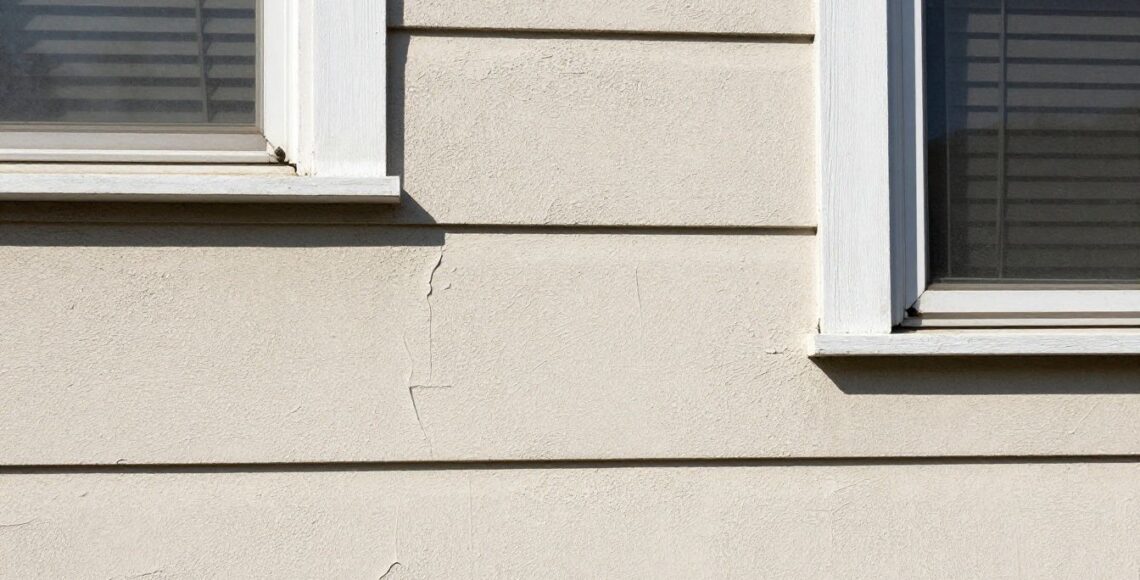
Photorealistic residential stucco home in suburban Chicago showing visible exterior cracks near a window, natural daylight, realistic proportions, no people, no text, no logos, no artificial aesthetic

Why Is My Stucco Cracking Chicago? Local Repair Help

If you are asking, why is my stucco cracking Chicago, seasonal weather may be part of the problem. Freeze-thaw cycles, moisture, heat, and strong sun can affect stucco exteriors across Chicagoland. Illinois Stucco provides professional stucco repair, restoration, painting, and replacement services for homes and commercial properties in Lake Zurich, Wilmette, Winnetka, and nearby communities.

Why Is My Stucco Cracking Chicago Homes?

Chicago-area stucco can crack for several reasons. The most common local concern is the repeated shift between freezing and warmer temperatures. Water can affect small openings, then cold weather can make the issue more noticeable. Over time, cracks may spread or appear in more areas of the exterior.

Other visible stucco concerns can include:

  • Small surface cracks
  • Larger cracks or holes
  • Separation around windows and doors
  • Areas where the stucco finish has pulled away
  • Worn, faded, or uneven surfaces
  • Moisture-related staining or exterior damage

Cracking does not always mean the entire exterior needs to be replaced. The right service depends on the condition of the stucco and how much of the surface is affected. Illinois Stucco can review the visible damage and recommend a suitable service, such as crack repair, restoration, resurfacing, or painting.

What Stucco Repair Includes

Stucco repair is designed for localized damage. Illinois Stucco repairs cracks, holes, and areas of separation. The service can help improve the appearance of the exterior while addressing visible wear before it becomes a larger repair project.

An annual stucco inspection is recommended. Regular attention can help homeowners notice new cracks, separation, or other changes earlier. This is especially useful in Lake Zurich and other parts of Chicagoland, where winter and spring weather can place stress on exterior finishes.

If you are searching for why is my stucco cracking Chicago, look beyond the crack itself. A professional repair service can review the surrounding finish and identify other visible areas that may need attention. Illinois Stucco also offers professional stucco crack repair in Chicagoland for local property owners.

When Stucco Restoration Is the Better Service

Restoration is intended for heavily worn or damaged stucco exteriors. It may be a better fit when the surface has many damaged areas, broad discoloration, or an overall worn appearance. Restoration can refresh the exterior without treating every concern as a small, separate patch job.

Illinois Stucco provides stucco restoration services in Lake Zurich for residential and commercial properties. The service is focused on restoring the look and function of the stucco finish while matching the needs of the existing exterior.

Resurfacing, also called re-stucco, is another service option for a tired or uneven surface. Illinois Stucco handles complete stucco resurfacing in Lake Zurich and surrounding areas. A local contractor can explain whether repair, restoration, or resurfacing is the most suitable choice after reviewing the property.

Stucco Painting Can Change the Look

Cracks are not the only reason homeowners contact a stucco contractor. Fading, outdated colors, and surface wear can also affect curb appeal. Stucco painting changes the color without requiring full replacement, making it an economical option for many properties.

A new color can give a home a cleaner, updated appearance. It can also help the exterior look more consistent when some areas have been repaired or restored. Illinois Stucco provides stucco painting as part of its exterior service options.

Painting is not the same as repairing damaged stucco. If you are asking why is my stucco cracking Chicago, paint alone may not address visible cracks, holes, or separation. Illinois Stucco can discuss repair and painting together when both services are needed.

Photorealistic completed stucco restoration on a suburban Illinois home with an even warm-toned finish, realistic landscaping and daylight, no people, no text, no logos, no artificial aesthetic

Traditional Stucco and EIFS Options

Illinois Stucco offers two stucco systems:

  • Traditional stucco: Made with Portland cement, lime, sand, and water.
  • EIFS or synthetic stucco: Made with acrylic resin, flexible, and without cement.

EIFS provides enhanced moisture and crack resistance. Traditional stucco offers a durable, familiar finish for many exterior projects. Illinois Stucco can provide installation, repair, restoration, and related services for both systems.

The best option depends on the property and the project goals. Homeowners in Wilmette, Winnetka, and Barrington can contact Illinois Stucco to discuss installation or service for an existing finish. The company also serves commercial properties throughout the surrounding Chicagoland area.

Other Stucco Services Available

Illinois Stucco provides more than exterior crack repair. Available services include:

  • Stucco installation
  • Stucco repair
  • Stucco restoration
  • Stucco painting
  • EIFS and synthetic stucco services
  • Fireplace stucco finishes for interior accent walls

A fireplace stucco finish can add a smooth, textured, or updated look to an interior accent wall. For exterior projects, the team can help with localized repairs, full restoration, resurfacing, or a new stucco finish.

You can also review the company’s stucco project gallery to see documented before-and-after work. Photos can help you compare the appearance of repaired, restored, painted, and newly finished surfaces.

Why Choose Illinois Stucco in Chicagoland?

Illinois Stucco has served the Chicagoland area since 2002, providing more than 20 years of local stucco experience. The company understands that Lake Zurich, Wilmette, Evanston, and nearby communities experience changing temperatures and difficult seasonal conditions.

Homeowners across Lake Zurich and Wilmette frequently look for a contractor that can handle both traditional stucco and EIFS. Illinois Stucco offers both systems, along with repair, restoration, painting, and fireplace finish services. This gives local property owners one company to contact for several stucco needs.

The company provides free quotes for residential and commercial projects. Its work is documented in an extensive before-and-after photo gallery. Illinois Stucco also has verified reviews on Houzz, with seven reviews listed, as well as reviews on Yelp and Angi.

For more information about local repair services, see stucco repair in Lake Zurich, Illinois or contact the team directly.

What to Look for in a Chicago Stucco Contractor

When choosing a stucco contractor, look for clear service information and local experience. A reliable company should be able to explain whether it provides repair, restoration, painting, installation, and EIFS services.

It also helps to ask about:

  • Years serving the local area
  • Residential and commercial experience
  • Available stucco systems
  • Before-and-after project photos
  • Reviews on recognized platforms
  • Free quotes and easy contact options
  • Service coverage in your community

Illinois Stucco is based at 136 W Harbour Drive, Lake Zurich, IL 60047. The company serves Lake Zurich, Wilmette, Winnetka, Barrington, Evanston, and surrounding Chicagoland communities.

Frequently Asked Questions

Why is my stucco cracking Chicago properties?

Chicago-area freeze-thaw cycles are a known risk factor for stucco damage. Moisture, temperature changes, and general exterior wear can also contribute to visible cracks, holes, or separation. Illinois Stucco can provide a professional review and quote for repair or restoration services.

Does Illinois Stucco offer free estimates?

Yes. Illinois Stucco provides free quotes for stucco installation, repair, restoration, painting, EIFS, and related services. Call (847) 809-1019 to discuss your project.

What areas does Illinois Stucco serve?

Illinois Stucco serves Lake Zurich, Wilmette, Winnetka, Barrington, Evanston, and surrounding Chicagoland communities. Service is available for residential and commercial properties.

Can stucco be painted instead of fully replaced?

Yes. Stucco painting can change the color without full replacement and may be an economical option. If the surface also has cracks, holes, or separation, Illinois Stucco can discuss repair or restoration along with painting.

Request a Stucco Quote in Chicagoland

If you are still asking, why is my stucco cracking Chicago, Illinois Stucco can help you understand your service options. Call (847) 809-1019 for a free quote, or contact Illinois Stucco online. Business hours are Monday through Saturday, 8 AM to 4 PM, and Sunday is closed.

A photorealistic residential stucco home in Lake Zurich with a contractor inspecting a small water stain and repaired exterior wall, natural daylight, no text or logos

Stucco Water Damage Repair Lake Zurich

Water stains, cracks, and separation on a stucco exterior can make any homeowner worry. Illinois Stucco provides stucco water damage repair Lake Zurich homeowners can count on, along with restoration, painting, and replacement options for residential and commercial properties. This guide explains the services available, why local weather matters, and how to choose a trusted stucco contractor.

Stucco Water Damage Repair Lake Zurich Services

Water damage can affect the appearance and condition of a stucco exterior. Illinois Stucco can assess visible damage and recommend a service that fits the condition of the surface. Available services include:

  • Stucco repair: Filling cracks, holes, and areas where the stucco has separated.
  • Stucco restoration: Renewing heavily worn or damaged exteriors.
  • Stucco painting: Changing the color and refreshing the finish without full replacement.
  • Stucco installation: Applying a new traditional stucco or EIFS system.
  • Fireplace stucco finish: Creating an interior stucco finish for accent walls and fireplace areas.

Repair work may address smaller areas, while restoration or resurfacing may be a better fit for an exterior with broad wear. Illinois Stucco also provides re-stucco and resurfacing services in Lake Zurich for homes and commercial buildings.

Common Signs of Stucco Water Damage

Homeowners may notice several visible signs that call for a professional assessment:

  • Dark or discolored areas
  • Cracks around the exterior
  • Holes or chipped sections
  • Separation from the wall surface
  • Worn areas that no longer look even
  • Changes after heavy rain or winter weather

These signs do not all point to the same repair service. A professional inspection can help identify whether the right option is localized repair, painting, restoration, or a new stucco system. Illinois Stucco also explains the value of a professional stucco inspection in Chicagoland for property owners who want to understand the condition of their exterior.

Why Local Weather Matters in Lake Zurich

Lake Zurich and the wider Chicagoland area experience cold winters, warm summers, heavy rain, and repeated freeze-thaw cycles. These changes can place stress on an exterior finish. Water may enter an existing crack or damaged area, and freezing temperatures can make the problem more noticeable over time.

That is why timely stucco water damage repair Lake Zurich service can help protect the look of your property. Illinois Stucco recommends annual inspection for stucco repair needs. Regular attention may help homeowners spot cracks, holes, and separation before the damage becomes more widespread.

Weather resistance is one of the main reasons property owners choose stucco. Traditional stucco is made with Portland cement, lime, sand, and water. It creates a durable finish that resists water, temperature changes, and sun glare. Proper service also helps maintain curb appeal and the clean appearance of a home or commercial building.

For more information about common repair concerns, read this guide to professional stucco crack repair in Chicagoland.

Traditional Stucco and EIFS Options

Illinois Stucco offers two stucco systems. The best choice depends on the project and the property owner’s goals.

Traditional Stucco

Traditional stucco uses Portland cement, lime, sand, and water. It provides a hard, durable finish for exterior applications. It is also an affordable option for many homes and commercial properties.

EIFS or Synthetic Stucco

EIFS, also called synthetic stucco, uses acrylic resin and does not contain cement. It is flexible and provides enhanced moisture and crack resistance. Property owners interested in this option can learn more about EIFS installation in Lake Zurich.

A contractor can discuss the available systems during a quote. Illinois Stucco works with both traditional stucco and EIFS, giving local customers more choices for repair, restoration, and installation projects.

How Stucco Repair Supports Curb Appeal

Water damage is not only a maintenance concern. Stains, cracks, and uneven patches can change the appearance of the entire exterior. For many homeowners, a clean stucco finish supports curb appeal and helps the property look cared for.

Repair is not always the only option. If the surface is sound but the color looks dated, stucco painting can provide a practical refresh. Painting changes the color without requiring full replacement. This makes it an economical choice for property owners who want a new look while keeping the existing finish.

If the exterior is heavily worn, restoration may offer a better way to renew the surface. Illinois Stucco provides stucco restoration services in Lake Zurich for properties that need more than a small repair.

A photorealistic close view of a freshly restored light-colored stucco home exterior in Wilmette, with clean texture and landscaped surroundings, no text or logos

What to Look for in a Local Stucco Contractor

Choosing a contractor for water damage repair requires more than searching for “stucco repair near me.” Look for a company with local experience, clear service information, and a record of completed projects.

Consider these points:

  1. Experience in the local climate: A Chicagoland contractor should understand the effect of freeze-thaw cycles and seasonal moisture on stucco exteriors.
  2. Several service options: Repair, restoration, painting, installation, EIFS, and resurfacing can address different property needs.
  3. Residential and commercial experience: Property managers and homeowners may need different scheduling and service support.
  4. Clear quotes: A free quote gives you a better understanding of the recommended service.
  5. Work examples: Before-and-after photos can show the contractor’s experience with real properties.
  6. Verified reviews: Reviews on platforms such as Houzz, Yelp, and Angi can provide useful information about customer experience.

Illinois Stucco has an extensive project gallery with before-and-after photos from residential and commercial work. Chicagoland homeowners frequently look for a contractor that combines local knowledge with practical service choices. Illinois Stucco has served the area since 2002 and brings more than 20 years of stucco experience to projects in Lake Zurich, Wilmette, Winnetka, Barrington, Evanston, and surrounding communities.

Why Choose Illinois Stucco?

Illinois Stucco is a local contractor focused on stucco installation, repair, restoration, finishing, and painting. The company serves both residential and commercial properties from its Lake Zurich location at 136 W Harbour Drive, Lake Zurich, IL 60047.

Customers can request a free quote and discuss traditional stucco or EIFS options. The team also provides fireplace stucco finishes for interior accent walls. Homeowners across Lake Zurich and Wilmette can review customer feedback on Houzz, Yelp, and Angi. The company has seven verified Houzz reviews, along with its presence on Yelp and Angi.

For homeowners who want to learn more about the company’s approach, visit Illinois Stucco’s local service information. You can also review the Lake Zurich stucco repair service page before contacting the team.

Frequently Asked Questions

What is included in stucco water damage repair Lake Zurich service?

Service may include filling cracks, holes, and areas of separation. The right service depends on the visible condition of the exterior. Illinois Stucco may also discuss restoration, painting, resurfacing, or replacement options when a larger area is worn or damaged.

How often should stucco be inspected?

An annual inspection is recommended for stucco exteriors. Regular inspection can help identify cracks, holes, separation, and other visible changes. Illinois Stucco can provide an assessment and a free quote for the needed service.

Does Illinois Stucco offer free estimates?

Yes. Illinois Stucco provides free quotes. Call (847) 809-1019 or use the online contact form to discuss your project.

What areas does Illinois Stucco serve?

Illinois Stucco serves Lake Zurich, Wilmette, Winnetka, Barrington, Evanston, and surrounding Chicagoland communities. The company provides services for residential and commercial properties.

Request a Stucco Repair Quote

Do not let stains, cracks, or separation change the appearance of your property. Illinois Stucco has served Chicagoland since 2002 and provides practical options for repair, restoration, painting, EIFS, and installation.

Call (847) 809-1019 for a free quote. You can also contact Illinois Stucco online to schedule a conversation about your Lake Zurich, Wilmette, or nearby Chicagoland property.

Photorealistic residential Chicagoland home showing a traditional textured stucco exterior beside a smooth synthetic EIFS exterior, natural daylight, no text or logos

Traditional Stucco vs Synthetic Stucco in Chicagoland

Homeowners comparing traditional stucco vs synthetic stucco in Lake Zurich often want the same basic things: a durable exterior, a clean finish, and protection from Illinois weather. Illinois Stucco explains the key differences between these two systems and provides installation, repair, restoration, painting, and EIFS services for homes and commercial properties across Chicagoland.

Traditional Stucco vs Synthetic Stucco: What Is the Difference?

The main difference is the material used in each system.

Traditional stucco is made from Portland cement, lime, sand, and water. It creates a hard, cement-based finish with the familiar texture and appearance of plaster. It is resistant to water, heat, cold, and sun glare. Many homeowners choose it for its classic look, durability, and affordable cost.

Synthetic stucco, also called EIFS, uses acrylic resin rather than cement. It is flexible and provides enhanced moisture and crack resistance. EIFS is available for both residential and commercial exterior projects and can provide a smooth, modern appearance.

Neither option is right for every property. The best choice depends on the desired finish, existing exterior, project goals, and the services needed. Illinois Stucco works with both systems and can provide a free quote for your property.

Traditional Stucco vs Synthetic Stucco Services in Lake Zurich

Illinois Stucco provides service for both traditional stucco and synthetic stucco systems. Our work includes:

  • Stucco installation: New traditional stucco and EIFS installation for residential and commercial properties.
  • Stucco repair: Filling cracks, holes, and areas of separation in existing stucco.
  • Stucco restoration: Service for heavily worn or damaged exteriors that need more than a small repair.
  • Stucco painting: A cost-effective way to change the color of stucco without replacing the full exterior.
  • EIFS installation and repair: Professional service for flexible synthetic stucco systems.
  • Fireplace stucco finish: Interior stucco finishes for fireplace accent walls.

If you are unsure whether you need repair, restoration, painting, or replacement, a local contractor can review the current finish and explain the available service options. You can also learn more about stucco repair services in Lake Zurich or view the Illinois Stucco project gallery for examples of completed work.

Why Local Weather Matters for Stucco

Chicagoland homes face repeated changes in temperature. Freeze-thaw cycles can be a risk factor for stucco damage. Water can enter small openings, freeze during cold weather, and place stress on the finish as temperatures change. Heavy rain, summer heat, and strong sun glare also affect exterior surfaces over time.

This does not mean every crack or blemish requires full replacement. Illinois Stucco offers repair, restoration, and painting services based on the condition and appearance of the existing finish. Annual inspection is recommended for stucco exteriors so small issues can be identified before they become more noticeable.

For homeowners in Lake Zurich, Wilmette, Winnetka, and nearby communities, local experience matters. A contractor familiar with Chicagoland weather can provide service suited to the area’s changing conditions. Read more about professional stucco crack repair in Chicagoland to learn about available repair services.

Choosing Between Traditional and Synthetic Stucco

When comparing traditional stucco vs synthetic stucco, consider these practical factors:

Appearance

Traditional stucco offers a classic cement-based texture. EIFS can provide a flexible finish with a range of surface appearances. Both can improve curb appeal when properly installed and maintained.

Material

Traditional stucco uses Portland cement, lime, sand, and water. Synthetic stucco uses acrylic resin and does not contain cement. This difference affects the feel and flexibility of the finished system.

Moisture and Crack Resistance

EIFS provides enhanced moisture and crack resistance. Traditional stucco is also valued for its resistance to water, heat, and cold. The right service depends on the system already on the property and the homeowner’s project needs.

Repairs and Maintenance

Both systems may need repair after years of exposure to weather. Illinois Stucco repairs cracks, holes, and separation in stucco. For heavily worn exteriors, restoration may provide a better service option. Painting can refresh the appearance without full replacement.

Budget

Stucco is considered a cost-effective exterior finish. The final price depends on the size of the project and the service required. Illinois Stucco provides free quotes so property owners can review their options before scheduling work.

What to Look for in a Local Stucco Contractor

A reliable contractor should offer clear information about the system, service, and project scope. Before hiring, look for:

  • Experience with both traditional stucco and EIFS.
  • Repair, restoration, painting, and installation services.
  • Residential and commercial project experience.
  • A local service area that includes your community.
  • A photo gallery showing completed work.
  • Reviews on established platforms.
  • Free quotes and an easy way to make contact.

Illinois Stucco has served the Chicagoland area since 2002 and brings more than 20 years of stucco experience to local projects. The company works with both traditional and EIFS/synthetic systems. Work is documented in an extensive before-and-after photo gallery, and the business has verified reviews on Houzz, Yelp, and Angi.

Chicagoland homeowners frequently mention the value of working with a local company that understands the area’s weather and provides several stucco service options. Homeowners in Lake Zurich and Wilmette can request a quote for installation, repair, restoration, painting, or EIFS service.

Photorealistic stucco contractor professionally restoring a residential exterior in a Chicagoland neighborhood, realistic tools and textures, natural lighting, no text or logos

Stucco Services for Lake Zurich, Wilmette, and Chicagoland

Illinois Stucco is based at 136 W Harbour Drive, Lake Zurich, IL 60047. The service area includes Lake Zurich, Wilmette, Winnetka, Barrington, Evanston, and surrounding Chicagoland communities.

Whether you need a new finish, help with an aging exterior, or a color update, Illinois Stucco can explain the available services for your property. The company serves homeowners, property managers, and commercial property owners.

For more information, visit the guide to stucco installation in the Chicago suburbs or learn about EIFS installation in Lake Zurich.

Frequently Asked Questions

Is traditional stucco or synthetic stucco better for a Lake Zurich home?

Both systems offer useful benefits. Traditional stucco provides a hard, cement-based finish, while EIFS uses flexible acrylic resin and provides enhanced moisture and crack resistance. Illinois Stucco offers both systems and can provide a free quote based on your project needs.

Can Illinois Stucco repair both traditional and synthetic stucco?

Yes. Illinois Stucco provides stucco repair and EIFS-related services. Repairs may include filling cracks, holes, and areas of separation. Restoration is available for heavily worn or damaged exteriors.

Does Illinois Stucco offer free estimates?

Yes. Illinois Stucco provides free quotes. Call (847) 809-1019 or use the contact form for a free quote.

What areas does Illinois Stucco serve?

Illinois Stucco serves Lake Zurich, Wilmette, Winnetka, Barrington, Evanston, and surrounding Chicagoland communities. The company serves both residential and commercial properties.

Request a Free Stucco Quote

Choosing between traditional stucco and synthetic stucco is easier with clear information and local service. Illinois Stucco has provided stucco installation, repair, restoration, painting, and EIFS services in Chicagoland since 2002.

Call (847) 809-1019 Monday through Saturday from 8 AM to 4 PM, or request a free quote online to discuss your Lake Zurich, Wilmette, or nearby Chicagoland property.

A beautiful suburban home in Chicagoland showcasing a high-quality, durable stucco finish and manicured landscaping

Stucco vs Brick Exterior in Chicagoland: A Homeowner’s Guide

Choosing the right exterior cladding for your home is a major decision for any property owner in the Chicagoland area. Both stucco and brick are popular choices, each offering unique benefits for our local climate. Whether you are building a new home or considering a facade upgrade, understanding the differences between a stucco vs brick exterior in Chicagoland can help you make an informed choice that protects your investment.

Understanding Stucco vs Brick Exterior in Chicagoland

The climate in Illinois poses challenges for any building material. We experience significant temperature swings, from hot, humid summers to freezing winters that trigger a cycle of expansion and contraction. A stucco vs brick exterior in Chicagoland comparison often starts with how these materials handle these seasons. Stucco, when properly applied, provides a seamless, water-resistant barrier that shields your home from the elements. Brick is known for its incredible strength and longevity, yet it relies heavily on mortar joints, which can become points of vulnerability over time if moisture enters the system.

A clean, modern home exterior featuring high-quality, durable stucco finish in a suburban Chicagoland neighborhood setting

Homeowners across Lake Zurich and Wilmette often look for a balance between curb appeal and low maintenance. While brick is a classic, traditional material, stucco offers versatility in design. You can achieve various textures and colors, making it an excellent option for those who want a unique look. Illinois Stucco has been serving the Chicagoland area since 2002, and we have seen how these materials perform across different neighborhoods. We offer both traditional Portland cement stucco and EIFS, also known as synthetic stucco, which provides an extra layer of enhanced moisture resistance.

Why Locals Choose Stucco for Chicagoland Homes

Stucco is often sought after for its affordability and energy efficiency. Because it acts as a hard, insulator-like coating, it helps keep your home comfortable during our extreme temperature changes. Many homeowners prefer stucco because of its flawless finish and its ability to withstand sun glare and high winds. When comparing the two, many find that the lower barrier to entry for stucco installation allows for more budget flexibility compared to the cost of a full brick masonry project.

If you currently have stucco and are looking to refresh your look, you might want to learn more about stucco painting as an economical alternative to replacement. This allows you to update your curb appeal without the expense of a full renovation. Whether you are dealing with minor cosmetic issues or need professional stucco crack repair, keeping up with your exterior maintenance is the best way to safeguard your property value.

A professional contractor performing a careful inspection of a stucco home exterior to ensure lasting protection and beauty

Maintaining Your Exterior Investment

All exterior surfaces require care. For brick, this usually means cleaning and inspecting mortar joints. For stucco, it means keeping an eye out for small blemishes or cracks. Because we are local stucco contractors serving Wilmette and the surrounding areas, we have developed a deep understanding of what local homes need to survive the winter. We often work with homeowners in Lake Zurich to address small issues before they grow into larger problems. If you notice cracks, it is a good idea to schedule an assessment. Ignoring small issues can sometimes allow moisture to get behind your finish, which is where the real risk to your walls begins.

Trusting Illinois Stucco for Your Needs

Choosing the right contractor is just as important as choosing the right material. Illinois Stucco has over 20 years of experience in stucco repair, installation, and restoration. We rely on our track record of satisfied customers and have a project gallery of work we have completed for residential and commercial customers across the region. We offer free quotes to help you understand your project costs clearly.

Frequently Asked Questions

Does Illinois Stucco offer free estimates?
Yes. We provide free quotes for all our services, including installation, repair, and restoration projects. Simply reach out to us at (847) 809-1019.

What areas does Illinois Stucco serve?
We proudly serve Lake Zurich, Wilmette, Winnetka, Barrington, Evanston, and many other communities throughout the Chicagoland area.

Is it better to repair or replace my stucco?
This depends on the condition of your walls. In many cases, we can perform repairs or apply a new finish to restore your home’s appearance and durability. We will assess your specific situation and offer honest advice.

Can I change the look of my stucco?
Yes, we offer professional painting and resurfacing services that allow you to change the color or texture of your home without the need for a full replacement.

For a professional assessment of your home’s exterior, call us today at (847) 809-1019 or submit a request through our contact page. We look forward to helping you protect and beautify your home.

A professional contractor applying high-quality stucco to the exterior of a charming residential home in the Chicago area

Stucco vs Vinyl Siding Chicago: Which Fits Your Home?

Choosing the right exterior cladding for your home in the Greater Chicago area is a big decision. Many homeowners find themselves weighing the pros and cons of stucco vs vinyl siding Chicago to determine which material offers the best balance of curb appeal, durability, and value. Whether you live in Lake Zurich, Wilmette, or beyond, selecting an exterior that stands up to our unique climate is essential for long-term comfort.

Understanding the Difference Between Stucco and Vinyl Siding

When you compare stucco vs vinyl siding Chicago, you are looking at two very different approaches to protecting your home. Vinyl siding is a popular plastic-based product known for being relatively affordable and simple to wash. However, for those who value a seamless, upscale look, stucco remains a top choice. Stucco is a cement-based material that provides a rock-solid, plaster-like finish that is highly resistant to the elements.

A clean and modern residential exterior featuring durable stucco siding in a suburban Chicago neighborhood

At Illinois Stucco, we specialize in helping homeowners understand their options. Whether you need stucco repair in Lake Zurich or are considering a full installation, knowing the strengths of your specific material is the first step toward a beautiful home exterior.

Why Quality Exterior Cladding Matters in Our Climate

Chicagoland homeowners are no strangers to intense freeze-thaw cycles. These rapid temperature changes can cause some materials to warp or crack over time. This is where the durable nature of stucco really shines. Stucco is a hardened insulator that stays strong through both high summer heat and brutal winter cold. If you live in an area like Wilmette or Evanston, you need a material that won’t easily sag or fade when faced with our unpredictable seasons.

While vinyl is common, many feel that stucco adds a timeless character and insulation value that is hard to beat. If your existing exterior shows signs of wear, a professional stucco restoration can revitalize your home without the need for a full replacement. We have seen many neighbors choose to invest in the long-term integrity of their siding to save on maintenance costs down the road.

Why Homeowners Trust Illinois Stucco

Since 2002, Illinois Stucco has been a trusted name for homeowners across the Chicago area. With 20+ years of experience, we pride ourselves on providing high-quality service and honest advice. We offer both traditional stucco—made with Portland cement, lime, and sand—and modern EIFS (synthetic) systems for enhanced moisture resistance. Homeowners across Lake Zurich and the surrounding suburbs frequently note our attention to detail and our extensive gallery of before-and-after photos as key reasons they chose us. Our work is backed by verified positive reviews on platforms like Houzz, Yelp, and Angi.

Whether you need a quick patch for a small crack or a complete exterior upgrade, we have the tools and expertise to build a finish you will love. We also offer specialized stucco painting if you’re just looking to change your home’s color without a structure change.

A professional stucco installation team providing exterior home improvement services on a residential property

Frequently Asked Questions

Does Illinois Stucco offer free estimates?
Yes. We believe in transparency and providing clear, cost-effective options for your home. Call us at (847) 809-1019 to schedule your free quote.

What areas does Illinois Stucco serve?
We proudly serve homeowners in Lake Zurich, Wilmette, Winnetka, Barrington, Evanston, and throughout the Chicagoland area.

Why choose stucco over other siding options?
Stucco is incredibly durable, fire-retardant, and provides excellent thermal insulation. It handles the local climate well and allows for unique textures and color finishes that can increase your home’s curb appeal.

Can stucco be used for more than just walls?
Yes, we also provide fireplace stucco finishes for interior accent walls, which adds a warm, custom touch to any home interior.

If you are ready to explore your options, our team is standing by to help. Reach out through our contact page or call (847) 809-1019 today to get started on your home improvement journey.

A professional and modern residential house with high-quality stucco finish in a suburban Chicago setting

Stucco Restoration Near Me Lake Zurich: Expert Care for Your Home

Is your home’s exterior showing signs of wear? If you are searching for stucco restoration near me Lake Zurich, you understand how the harsh Chicagoland weather can impact your property. Between freezing winters and rainy springs, your exterior takes a real beating. Restoring your home helps protect it from these elements while boosting its curb appeal.

Understanding the Need for Stucco Restoration Near Me Lake Zurich

Stucco is a strong, durable material, but it is not immune to the damage caused by local weather. Freeze-thaw cycles in areas like Lake Zurich and Wilmette can cause cracks to expand when moisture enters them. If you notice persistent cracks, loose sections, or signs of water entry, it is time for professional support. Getting these areas addressed quickly prevents more expensive damage in the future. Our team performs expert restoration to seal your home and keep it looking its best.

A clean, well-maintained residential stucco home exterior in a quiet Chicago suburban neighborhood

Why Homeowners Across Chicagoland Trust Illinois Stucco

Illinois Stucco has been serving the area since 2002. With over 20 years of experience, we understand the specific needs of local homes. Chicagoland homeowners frequently mention that our commitment to quality work and durability keeps their properties safe. We specialize in both traditional Portland cement systems and EIFS/synthetic stucco. Our team handles every step, from minor repairs to full facade makeovers. If your home has lost its luster, we offer expert stucco painting to refresh your color and protection without needing a full replacement.

Protecting Your Investment

Your home is likely your biggest investment. Whether you are in Lake Zurich, Barrington, or Evanston, keeping your stucco in good shape is vital for its long-term value. We handle cracks, holes, and separation issues using proven methods. We always focus on quality craftsmanship to ensure your walls can handle the next winter season. You can view our before and after projects to see how we transform worn exteriors into pristine, beautiful homes. Our team is dedicated to providing you with clear communication and reliable results.

A skilled technician carefully repairing a stucco wall section on a residential historic home

Frequently Asked Questions

Does Illinois Stucco offer free estimates?

Yes, we provide free quotes for all residential and commercial stucco projects. We want you to have all the information you need before starting your restoration.

What areas does Illinois Stucco serve?

We proudly serve Lake Zurich, Wilmette, Winnetka, Barrington, Evanston, and many other communities throughout the Chicagoland area.

Why should I choose stucco over other siding?

Stucco is water-resistant, durable, and provides excellent insulation. It withstands temperature changes well, making it a smart choice for the unpredictable midwestern climate.

How often should I check my stucco?

We recommend an annual inspection to look for new cracks or signs of wear. Catching small issues early is the best way to maintain your home’s condition.

If you need help with your exterior, reach out to us today. You can call our team at (847) 809-1019 or submit a request at https://illinoisstucco.net/contact-us/ to get your project moving.