Stucco vs EIFS Chicago Homes: Which Is Right for You?
Chicagoland homeowners know that our local weather creates unique challenges for exterior siding. From biting winter freezes to damp spring rains, stucco vs EIFS Chicago homes homeowners often wonder which system offers the best protection. Choosing the right material keeps your property looking great and helps it last through our tough climate. Here is a look at your options with a trusted local expert, Illinois Stucco.
Understanding Stucco vs EIFS Chicago Homes
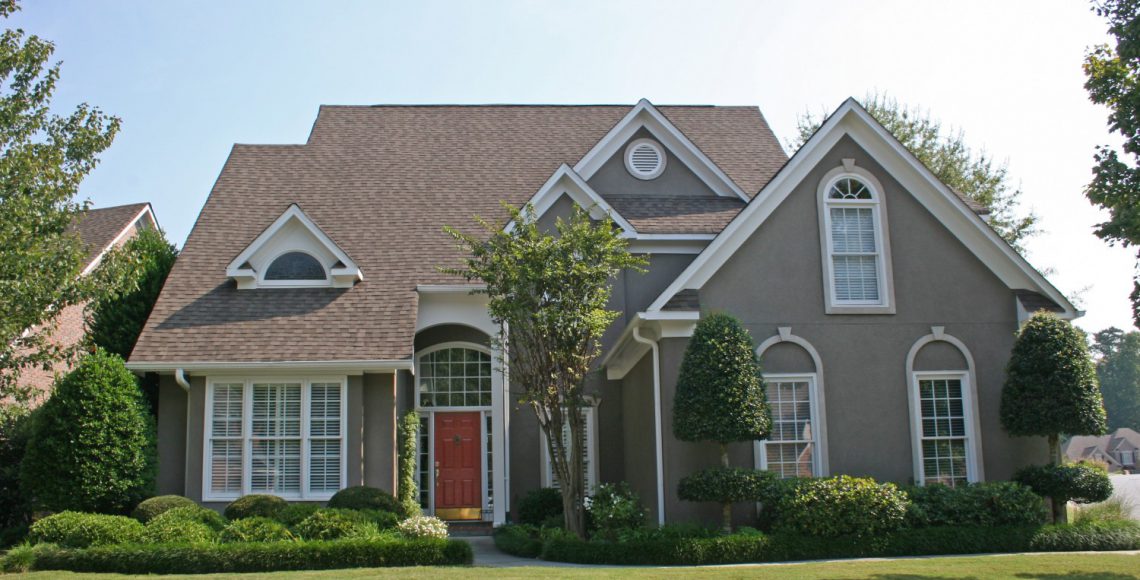
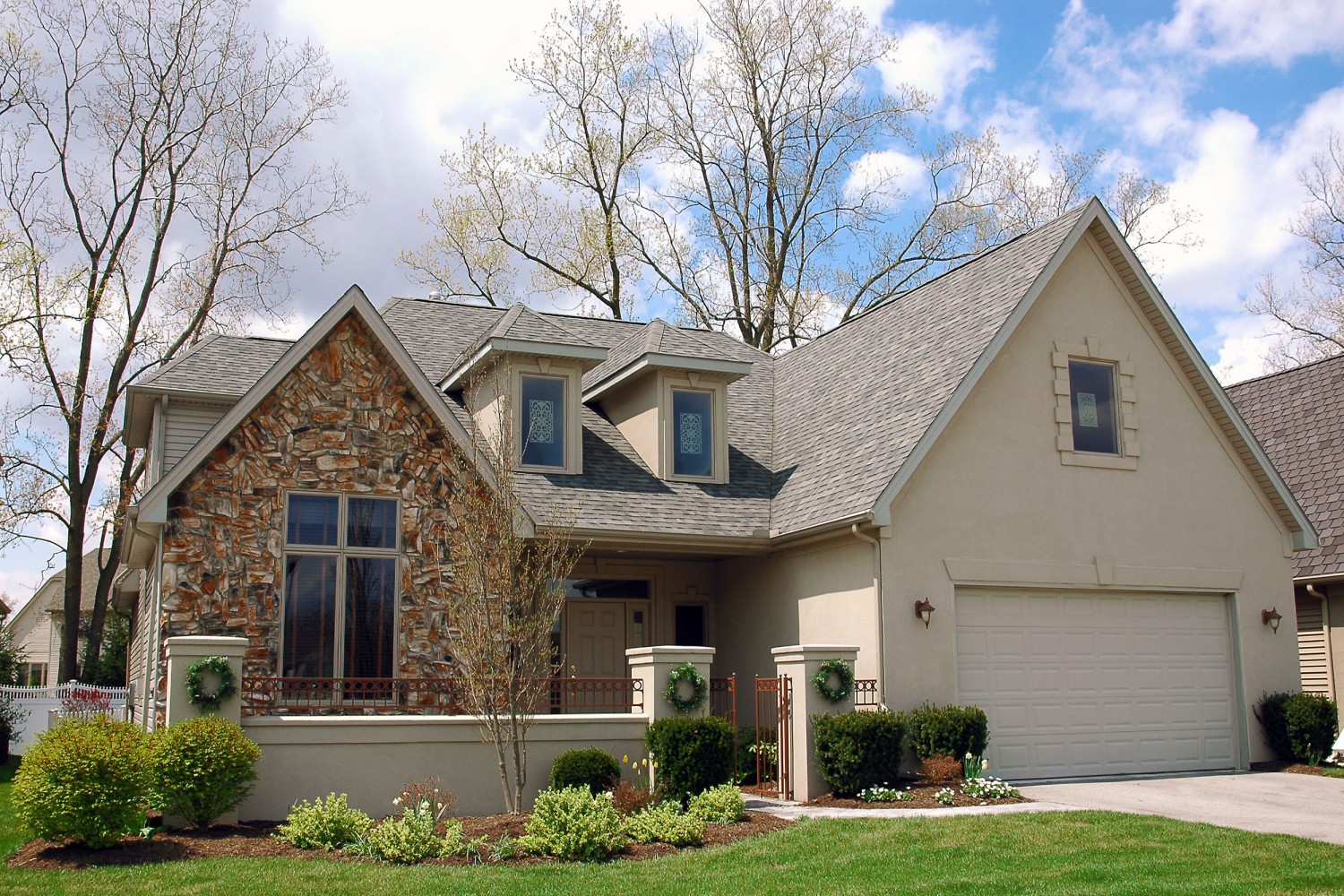
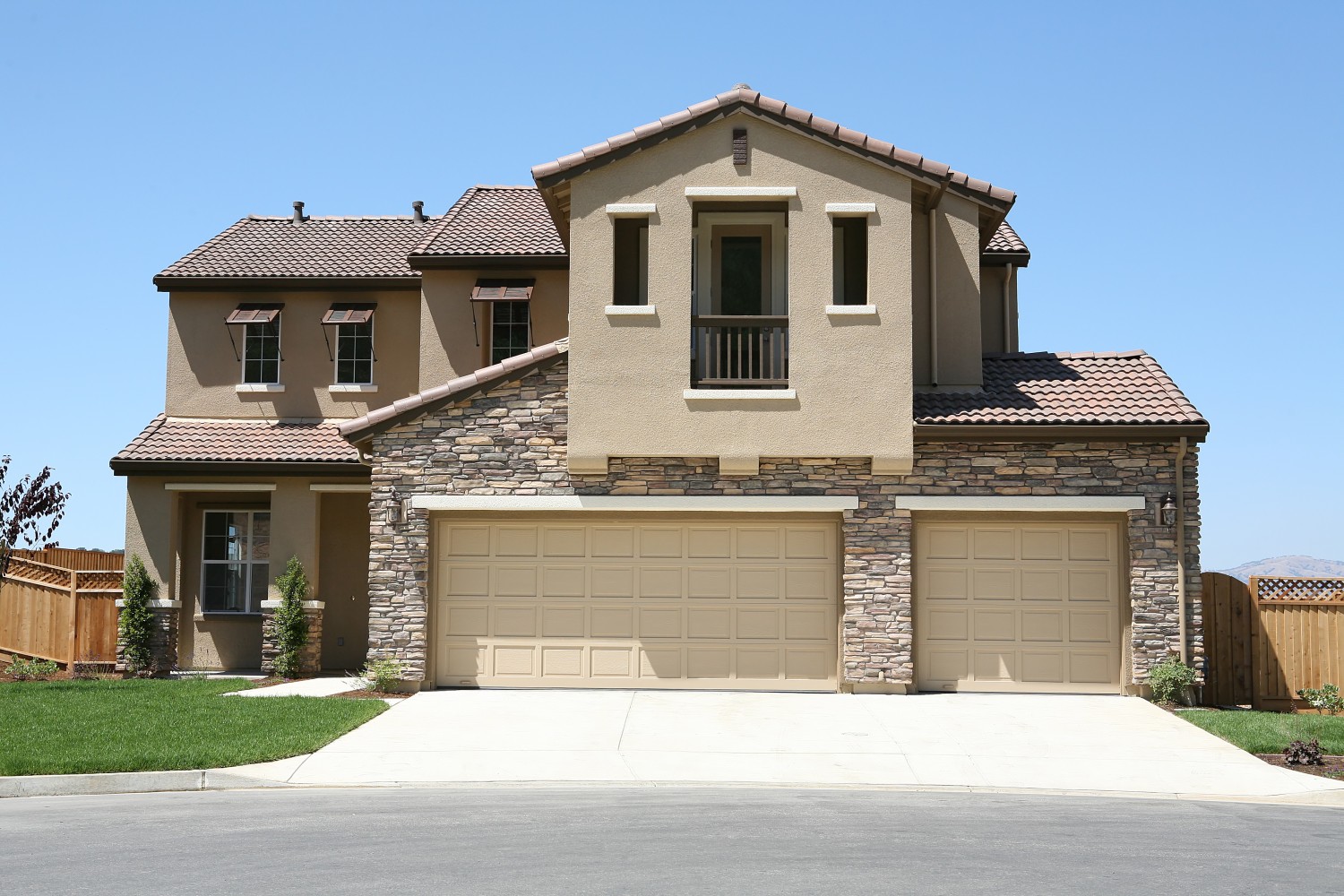
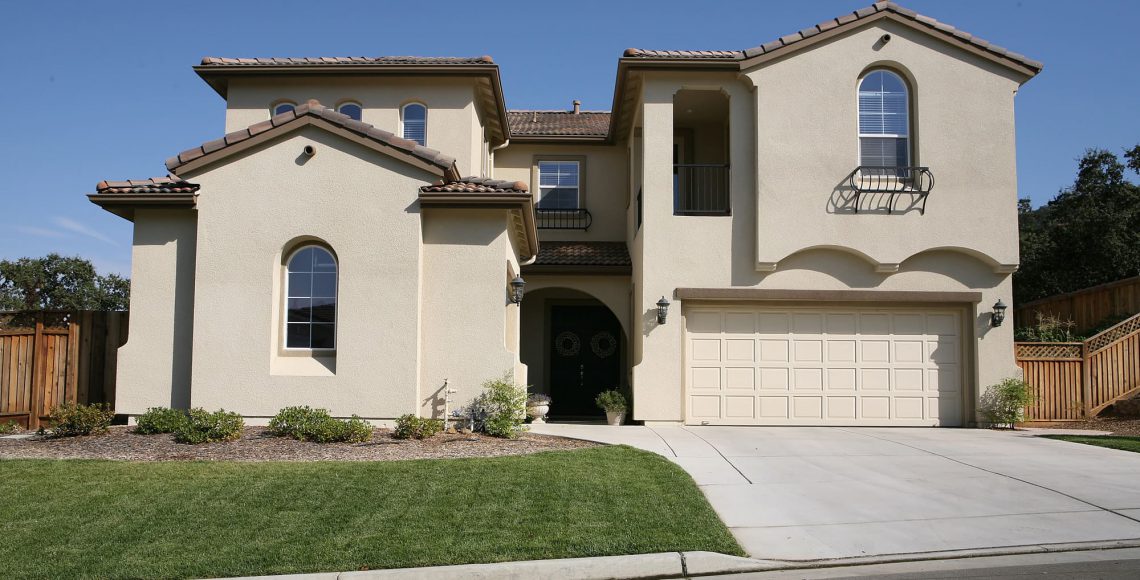
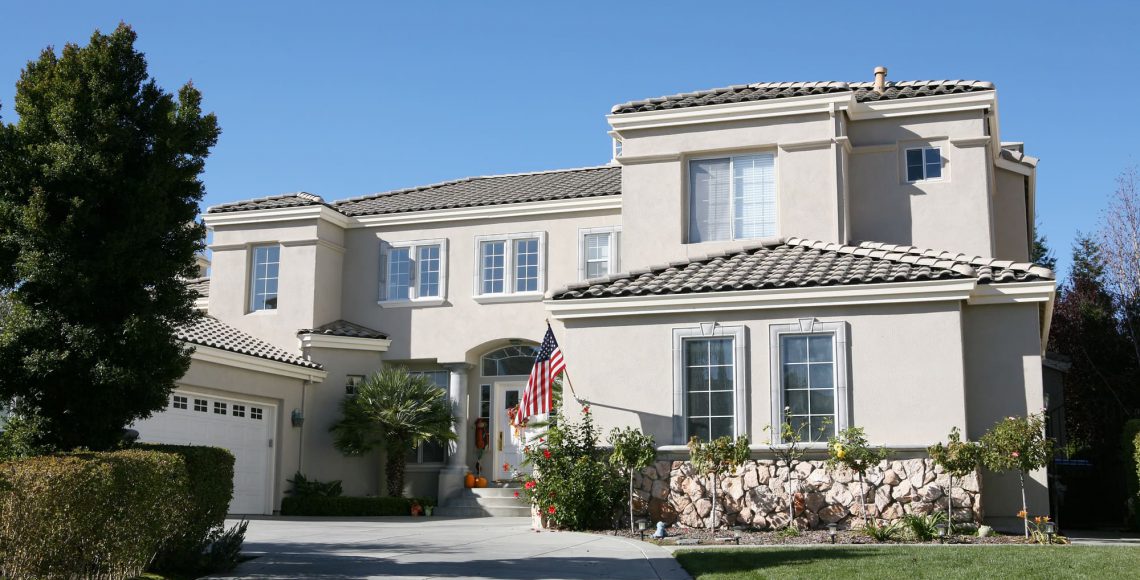
Traditional stucco is a time-tested material made from Portland cement, sand, lime, and water. It is essentially a hard-coat layer that offers a classic appearance and impressive durability. Because of its rigid nature, it handles seasonal changes effectively, provided it gets proper maintenance.
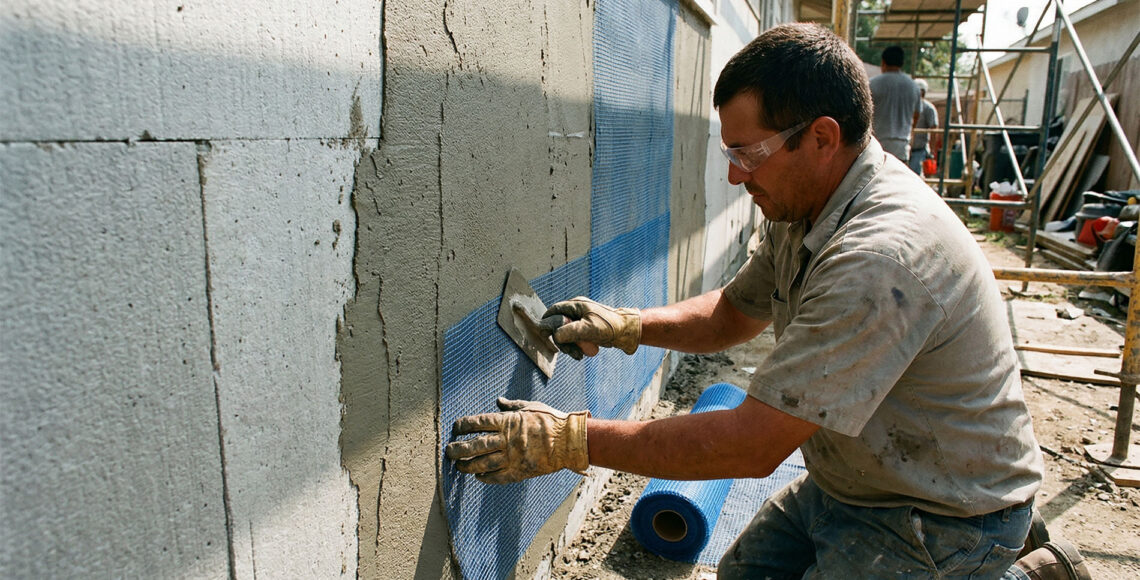
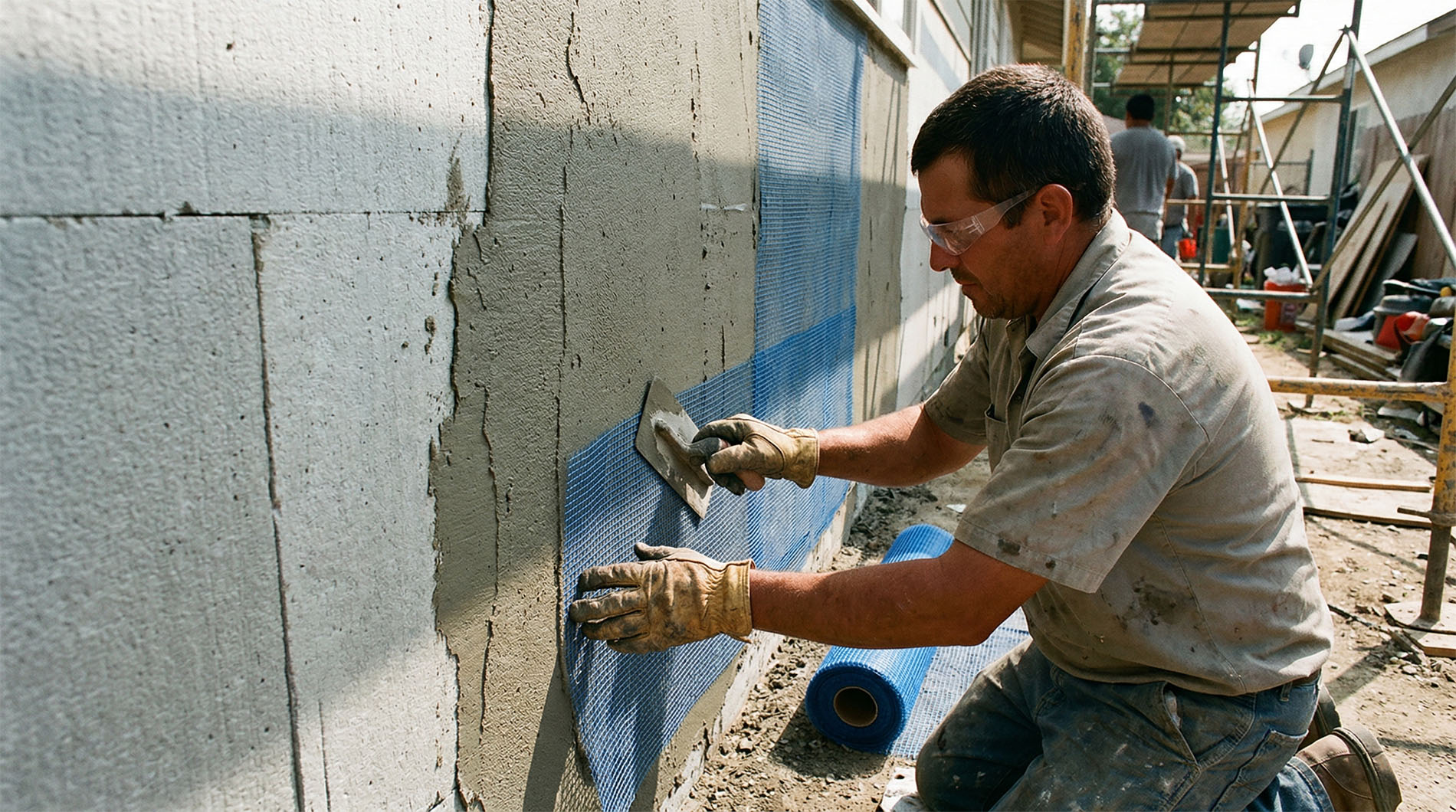
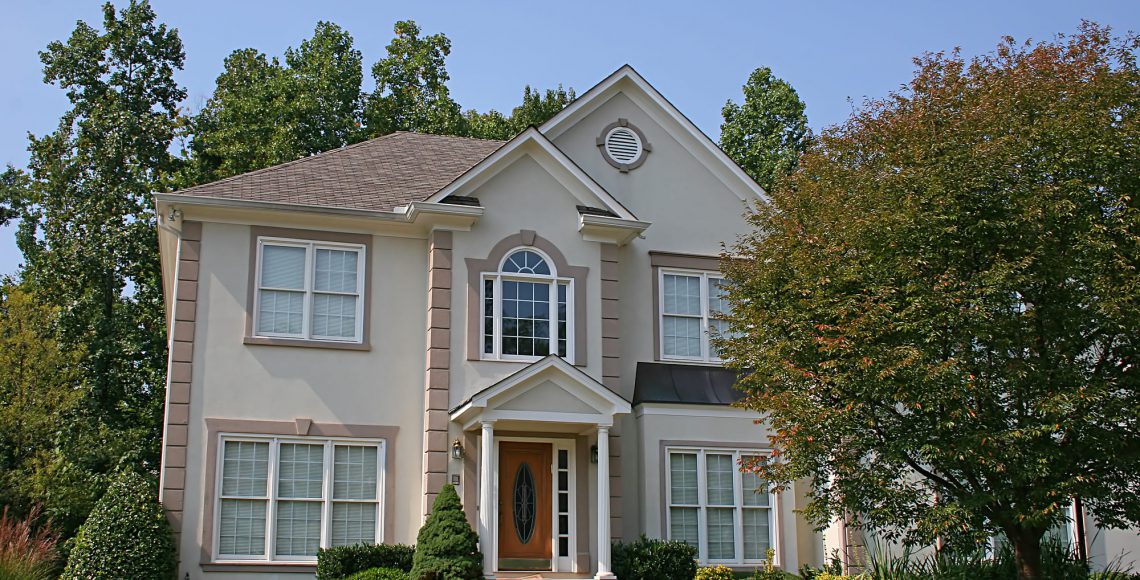
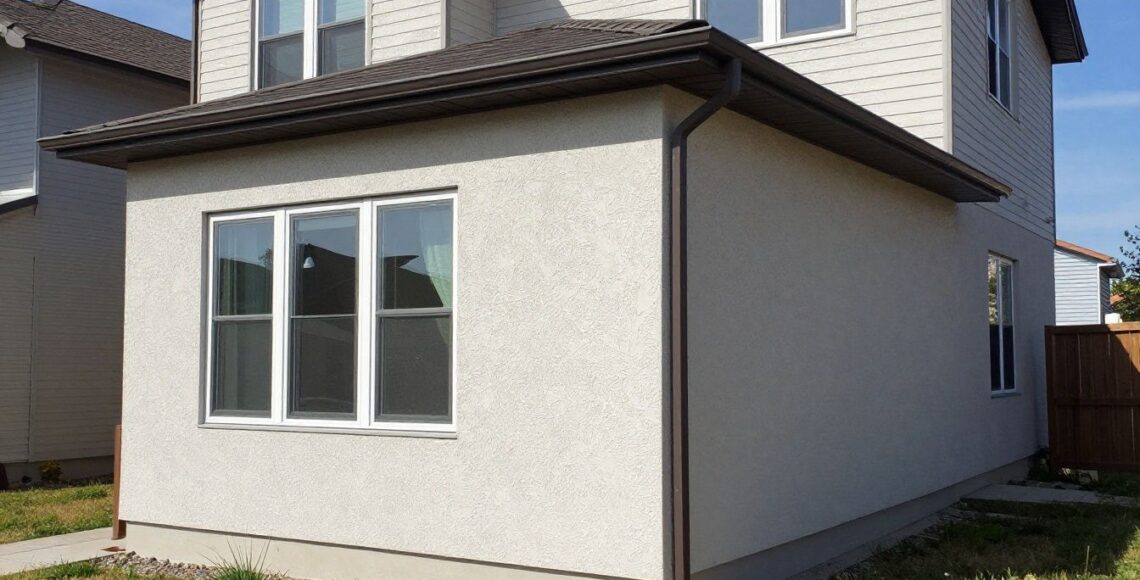
EIFS, or synthetic stucco, is a different system. It uses acrylic resins and foam insulation to create a flexible, moisture-resistant barrier. Because it is more flexible, it reacts differently to temperature changes. Selecting between these two depends on your home’s specific architecture and your goals for energy efficiency. Whether you choose traditional stucco or EIFS, regular care keeps your beauty lasting for years.

Benefits of Professional Stucco Repair and Maintenance
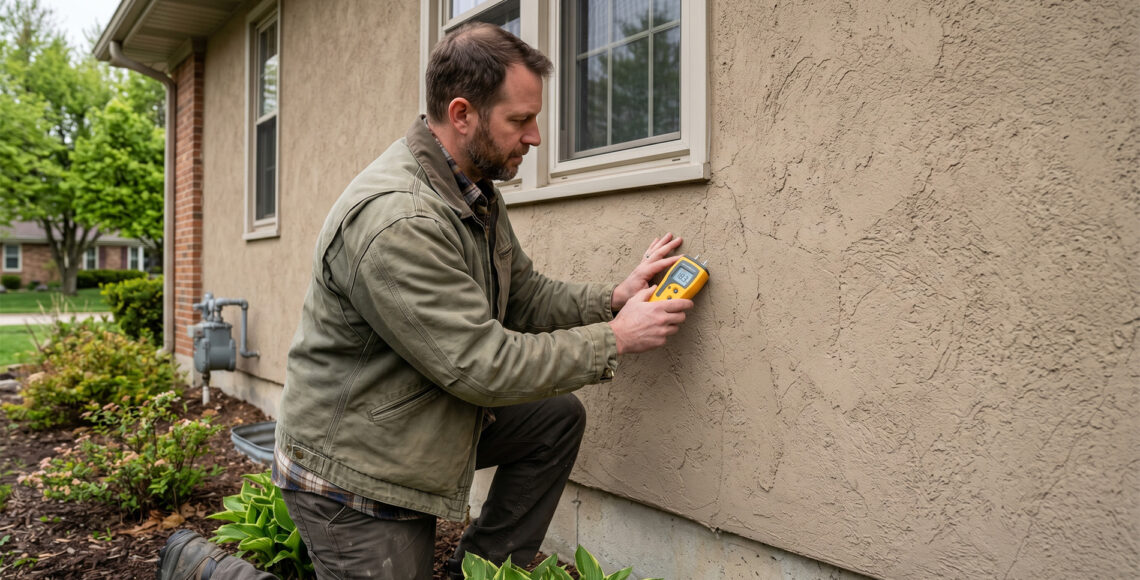
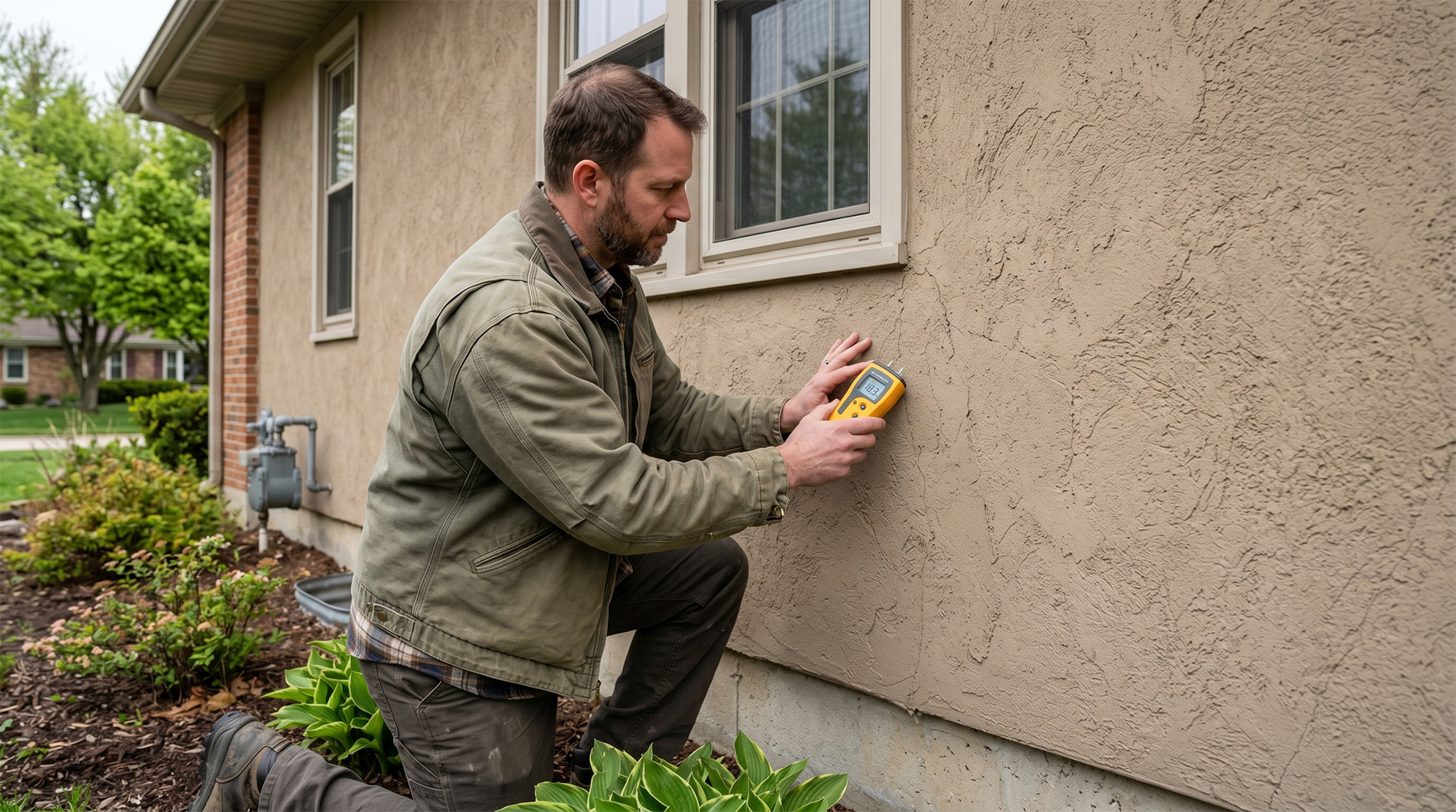
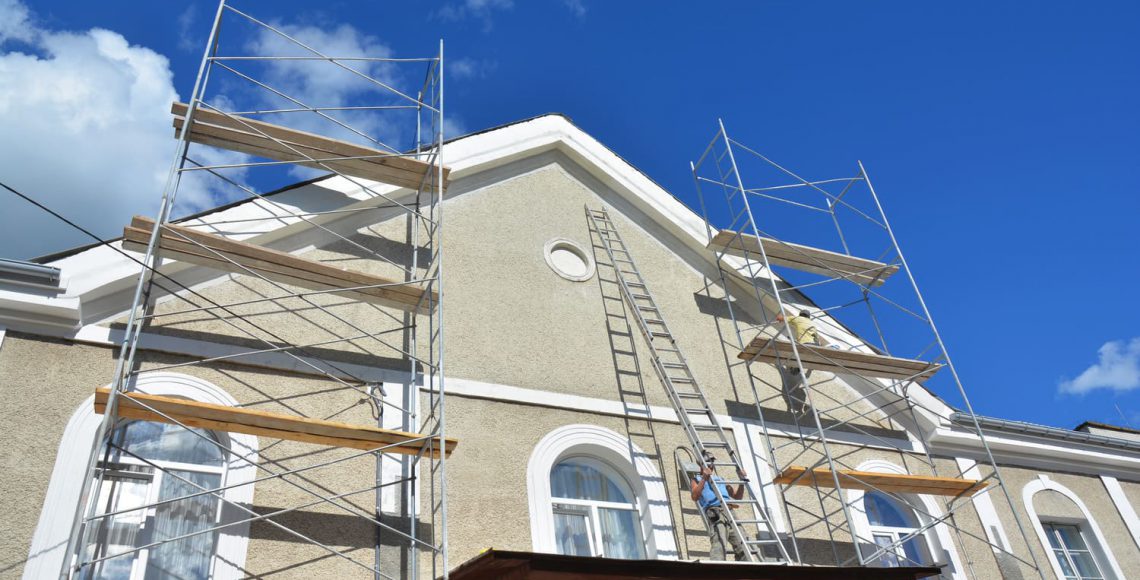
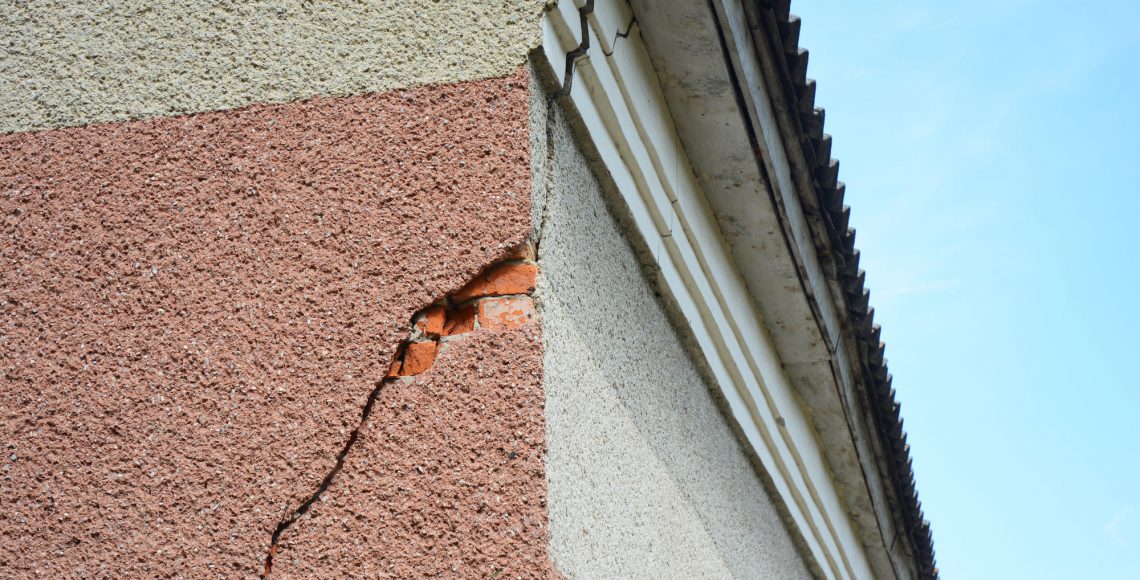
Even the toughest exterior needs attention. Chicagoland residents know that freeze-thaw cycles can lead to small cracks. Catching these early stops moisture from getting behind your walls. At Illinois Stucco, we handle filling these gaps for you.
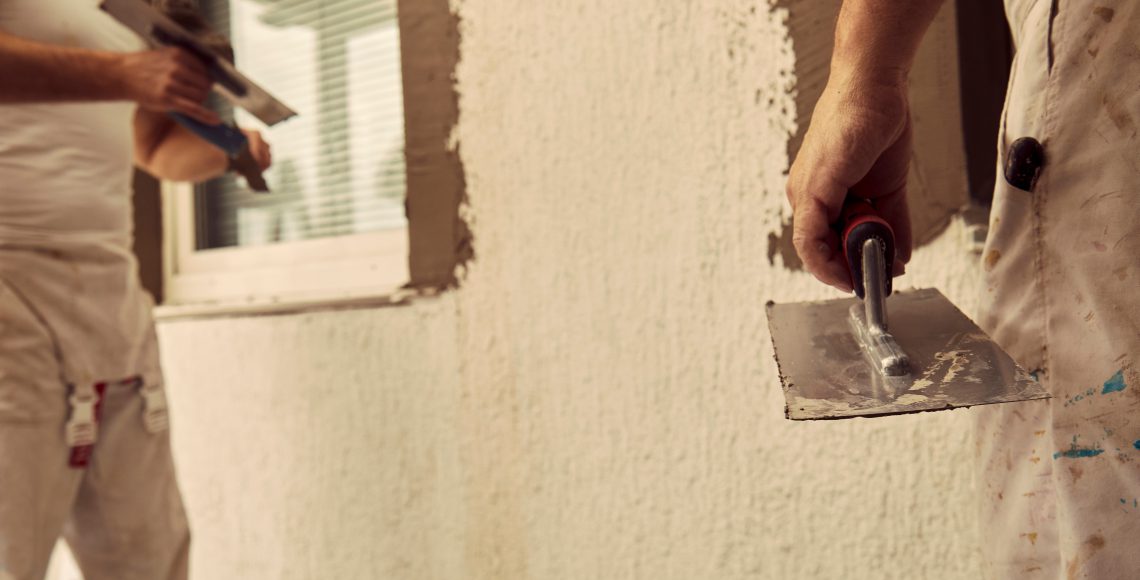
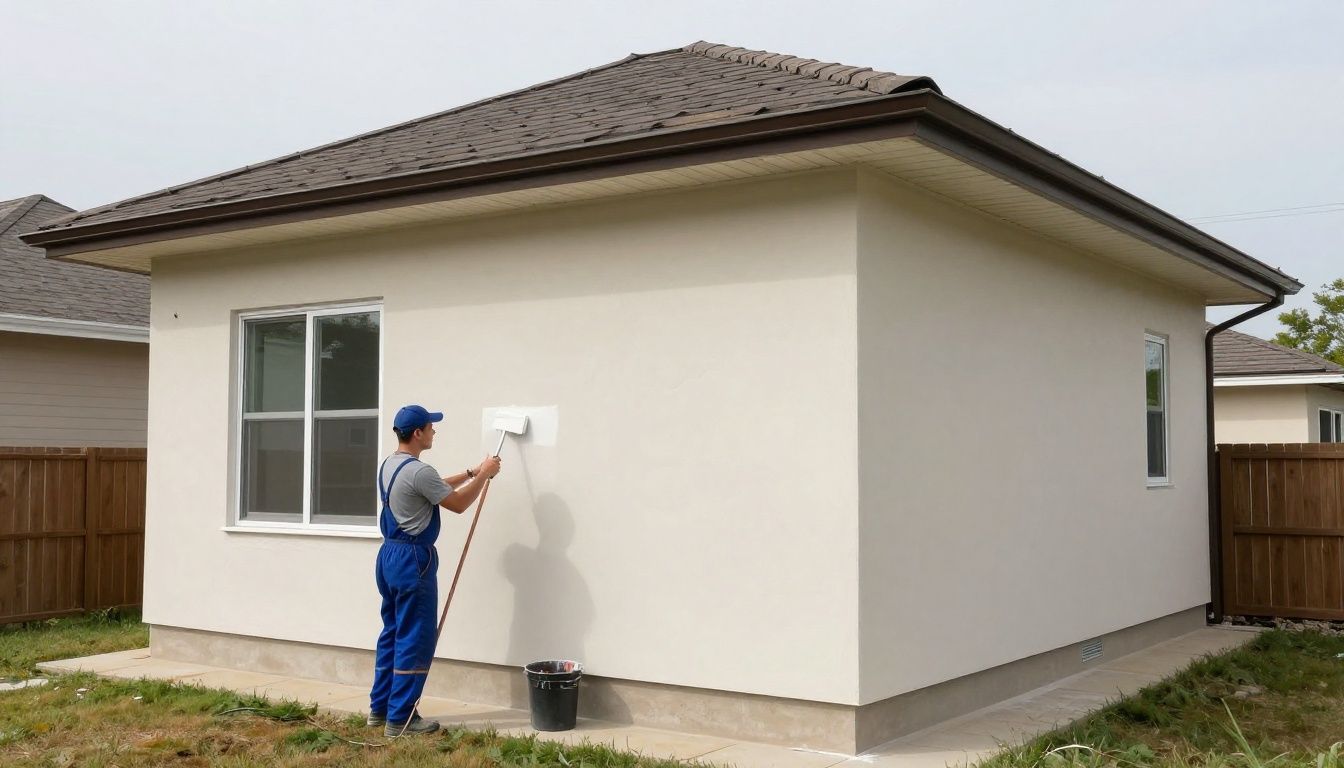
We provide stucco repair and painting to give your home a fresh look without the cost of a full replacement. After our work, we perform a walk-through to confirm every spot has perfect coverage. If you ever notice holes or separation, reach out to us early. Taking action before winter arrives helps keep your home sealed against the cold.
Why Select Illinois Stucco?
Since 2002, Illinois Stucco has served the Greater Chicago area, including Lake Zurich, Wilmette, and Barrington. With over 20 years of experience, we focus on quality craftsmanship. Our team has built a reputation based on verified results, reflected in our reviews on platforms like Houzz and Angi. We offer free quotes to all residential and commercial owners because we believe in transparency. You can view our work in our extensive before and after gallery at https://illinoisstucco.net/.
Frequently Asked Questions
Does Illinois Stucco offer free estimates?
Yes, we provide free quotes for all stucco installation, repair, and restoration services. Please call us to schedule your evaluation.
What areas does Illinois Stucco serve?
We serve Lake Zurich, Wilmette, Winnetka, Barrington, Evanston, and many other communities across the Chicagoland area.
Is stucco or EIFS better for my house?
Both systems have unique benefits. Traditional stucco provides a rigid, classic feel, while EIFS offers enhanced moisture resistance and insulation. We can discuss which fits your style during an on-site consultation.
How often should I have an inspection?
We recommend an annual exterior inspection. This helps you identify small cracks or maintenance needs before they grow into larger problems.
Ready to beautify or protect your home? Call us at (847) 809-1019 or submit a request at https://illinoisstucco.net/contact-us/ to get started today.