
Find the Best Stucco Contractor in Lake Zurich for Your Home Improvement Project
Looking to get some work done on your home’s exterior in Lake Zurich? Stucco is a popular choice for many reasons. It looks good, lasts a long time, and can even help with insulation. But when it’s time for installation, repairs, or maybe even a whole new look, you need to find the right people for the job. This guide will help you figure out what to look for when searching for a stucco contractor in Lake Zurich.
Key Takeaways
- When you need stucco work done in Lake Zurich, look for experienced stucco contractors who know the local climate.
- Stucco is a durable and affordable material that can improve your home’s look and insulation.
- Services range from new stucco installation and EIFS to repairs, resurfacing, and painting.
- A good stucco contractor will offer a range of services, including siding and plastering, to meet your needs.
- Always check for a contractor’s experience, reviews, and get a clear quote before starting any project.
1. Illinois Stucco Contractors
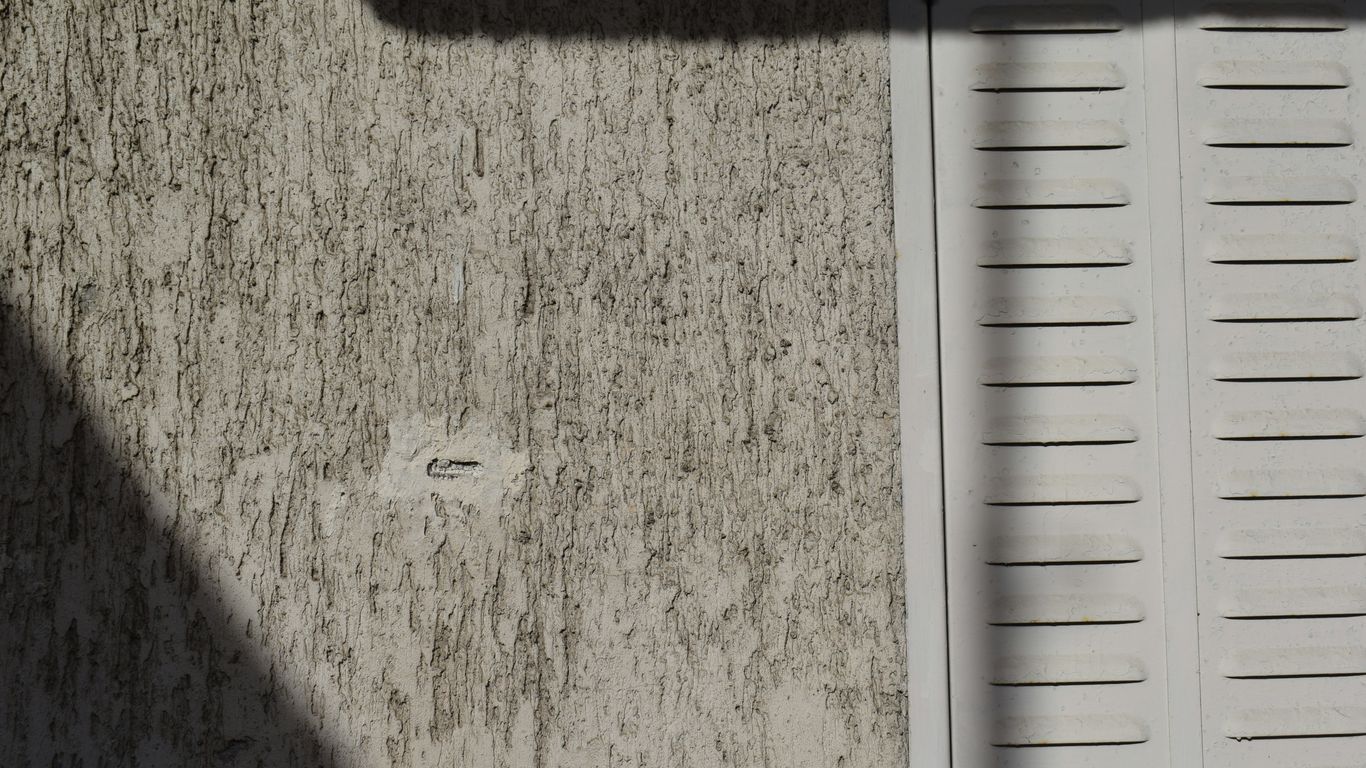
When you’re looking to get your home’s exterior redone in Lake Zurich, finding the right stucco contractor is a pretty big deal. It’s not just about slapping some material on the wall; it’s about making sure it looks good, lasts a long time, and protects your house from the crazy Illinois weather. You want someone who knows their stuff, from traditional stucco to newer EIFS systems.
Choosing a contractor with a solid track record in the Lake Zurich area is key. They should be able to handle a variety of jobs, whether it’s a small repair or a complete overhaul of your home’s exterior. Think about what you need done. Are you looking for a full installation, or do you just need some repairs? Maybe you’re interested in EIFS, which is a bit different from traditional stucco.
Here are some of the services you’ll typically find from a good stucco contractor:
- Stucco Installation: This is for new builds or when you’re completely changing your home’s exterior. It involves applying the stucco layers to create a seamless, durable finish.
- Stucco Repair: For when you’ve got cracks, chips, or water damage. A good repair job makes it look like the damage never happened.
- EIFS Installation and Repair: EIFS, or Exterior Insulation and Finish Systems, is a multi-layered synthetic stucco product. It offers great insulation and a lot of design flexibility.
- Stucco Restoration: This is for older homes where the stucco might be showing its age. It’s about bringing it back to its former glory, often involving more in-depth work than simple repairs.
- Resurfacing: Sometimes called re-stucco, this is like giving your existing stucco a fresh new coat without removing the old layers. It’s a great way to update the look of your home.
It’s also worth noting that many stucco contractors also handle related services like exterior plastering and painting. This means you can often get a lot of your exterior project done with one team. For example, Illinois Stucco offers a wide range of these services right here in Lake Zurich.
When you’re vetting contractors, don’t be afraid to ask questions. Inquire about their experience with specific types of stucco, ask for references, and make sure they are properly licensed and insured. Getting a detailed quote is also a must. It helps you understand exactly what you’re paying for and prevents any surprises down the road.
Ultimately, you’re looking for a company that not only has the technical skills but also communicates well and respects your property. A good contractor will make the process smooth and the end result something you’ll be happy with for years to come. If you’re in the market for stucco work, checking out local specialists like Illinois Stucco can be a good starting point.
2. Stucco installation
Putting up new stucco on your home is a big job, and it’s definitely not a weekend DIY project for most people. It’s a multi-layer process that requires skill and the right materials to make sure it looks good and lasts for years.
First off, the wall needs to be prepped. This usually involves putting up a lath, which is like a mesh base, over the sheathing. Then comes the "scratch coat." This is the first layer of stucco, and it’s applied pretty thick. While it’s still wet, the contractor will scratch it up – hence the name – to give the next layer something to grip onto. This is a really important step for the overall strength of the stucco.
After the scratch coat cures, the "brown coat" goes on. This layer is smoothed out and leveled, creating a flat surface for the final "finish coat." The finish coat is where you get your texture and color. Whether you want a smooth look, a rougher texture, or something in between, this is the layer that makes it happen.
Getting the installation done right the first time is key to avoiding future problems. It’s a process that needs attention to detail at every stage, from the base layers to the final touches.
Here’s a quick rundown of the typical stucco installation process:
- Surface Preparation: Ensuring the wall is clean, sound, and ready for lath.
- Lath Application: Installing the wire mesh or synthetic base for stucco adhesion.
- Scratch Coat: Applying the first layer and scoring it for the next coat.
- Brown Coat: Applying the second layer, leveling and smoothing the surface.
- Finish Coat: Applying the final layer for texture, color, and aesthetic.
Working with experienced stucco contractors is highly recommended. They know the ins and outs of proper mixing ratios, application techniques, and curing times, which are all vital for a durable and attractive finish. Trying to cut corners here can lead to issues down the road, like cracks or water damage.
If you’re looking for professionals who know their way around stucco, checking out local experts like Illinois Stucco can give you a good starting point for understanding what goes into a quality stucco installation.
3. Stucco repair
Even the toughest stucco can develop issues over time. Things like small cracks, chips, or even larger damage from impacts can happen. Addressing these problems early is key to preventing bigger headaches down the road.
Cracks are probably the most common thing you’ll see. They can be caused by a few things, like the house settling a bit or even just the weather doing its thing. Tiny hairline cracks, usually less than 1/16 of an inch, are pretty normal and often not a huge deal if caught quickly. But if you see bigger cracks, or if they start to spread, that’s when you need to pay attention. These larger openings can let water get in, and that’s when real damage can start to happen underneath the surface.
Here’s a quick rundown of what to look for:
- Hairline Cracks: Often superficial, but keep an eye on them.
- Larger Cracks: These can be a sign of deeper issues and potential water intrusion.
- Cracked or Missing Stucco: Areas where the material has chipped away or fallen off.
- Water Stains: Discoloration can indicate moisture problems behind the stucco.
Trying to patch up stucco yourself might seem like a good idea to save some cash, but it often doesn’t last. It’s easy to miss underlying problems, like moisture that’s already started to cause damage. A professional stucco contractor can really tell you what’s going on, check for hidden water issues, and make sure the repair is done right so it lasts. They know how to mix the materials correctly and apply them so they blend in and hold up against the elements. For reliable stucco repair in the Lake Zurich area, you’ll want to find someone with experience in stucco repair.
It’s tempting to think you can just slap some patching compound on a crack and call it a day. But stucco is more than just a pretty face; it’s a protective layer for your home. When it’s compromised, water can sneak in, leading to rot, mold, and structural problems that are way more expensive to fix than a simple crack repair.
4. EIFS installation
EIFS, which stands for Exterior Insulation and Finish System, is a bit different from traditional stucco. Think of it as a multi-layered synthetic stucco. It’s not just about looks; EIFS adds a layer of insulation right to your exterior walls, which can really help with energy efficiency. This system typically includes a foam insulation board, a base coat with reinforcing mesh, and then a final decorative finish coat that can mimic the look of traditional stucco, stone, or brick.
The main advantage of EIFS is its excellent thermal performance and design flexibility.
When you’re looking into EIFS installation, here’s what you can generally expect:
- Assessment: A contractor will check your home’s exterior to see if EIFS is a good fit and discuss design options.
- Substrate Preparation: The existing wall surface is prepared, ensuring it’s clean and ready for the system.
- Insulation Board Attachment: The foam insulation boards are attached to the wall.
- Base Coat Application: A fiberglass mesh is embedded into a cementitious base coat, providing strength and impact resistance.
- Finish Coat: The final decorative layer is applied, giving your home its finished look. This coat can be textured and colored to match your preferences.
Because EIFS is a more complex system than traditional stucco, it’s really important to have it installed by professionals who know what they’re doing. Improper installation can lead to moisture issues, which nobody wants. If you’re considering this type of exterior for your home improvement project, it’s worth looking into experienced Illinois stucco contractors who also specialize in EIFS.
EIFS offers a great balance between aesthetics and energy savings. It’s a modern approach to exterior cladding that can give your home a fresh look while potentially lowering your heating and cooling bills. The variety of finishes available means you can achieve almost any look you desire, from a classic stucco appearance to something more contemporary.
5. Stucco restoration
Over time, even the most durable stucco can show its age. Think of it like a favorite old jacket – it’s served you well, but it might have a few snags, faded spots, or areas that just aren’t as sturdy as they used to be. Stucco restoration is all about bringing that exterior back to life, not just making it look good, but making sure it’s protected and sound.
This isn’t just about patching up a few cracks, though that’s part of it. True restoration digs a bit deeper. It involves assessing the overall condition of the stucco, identifying the root causes of any damage – like water intrusion or structural movement – and then addressing those issues. Sometimes, it means carefully removing damaged sections and replacing them with new stucco that perfectly matches the existing texture and color. Other times, it might involve applying specialized coatings to seal and protect the surface.
Here’s a general idea of what goes into stucco restoration:
- Assessment: A pro will check for cracks, crumbling areas, discoloration, and signs of moisture.
- Cleaning: The surface needs to be thoroughly cleaned to remove dirt, mildew, and old paint.
- Repair: Small cracks are filled, and larger damaged areas are repaired or replaced.
- Preparation: The surface is prepped for new materials, which might include applying a bonding agent.
- Application: New stucco or repair materials are applied, blended, and textured to match.
- Finishing: This could involve painting or applying a protective sealant.
Restoring your stucco can significantly extend its lifespan and prevent more costly repairs down the line. It’s a smart investment for maintaining your home’s curb appeal and structural integrity. If you’re noticing your stucco looking a bit tired or showing signs of wear, it might be time to consider professional restoration services. For homeowners in the Lake Zurich area, Illinois Stucco Contractors have been doing this kind of work for years.
Sometimes, what looks like a simple cosmetic issue on the surface can be a sign of a bigger problem underneath. That’s why a professional assessment is so important during restoration.
Beyond just fixing what’s visible, restoration also focuses on improving the stucco’s performance. This can include adding better waterproofing or ensuring proper drainage away from the foundation. It’s about making your home’s exterior as resilient as it was when it was first built, if not better. And when it’s all done, a fresh coat of paint can really make the restored stucco pop, giving your home a whole new look. Check out the benefits of stucco painting to see how it can complement restoration work.
6. Re-stucco resurfacing
Over time, even the toughest stucco can start to look a little tired. Maybe it’s faded, has a few minor cracks, or just doesn’t have that fresh look it once did. That’s where re-stucco resurfacing comes in. Think of it like giving your home’s exterior a brand-new coat, but with the durability and texture of stucco.
This process involves applying a new layer of stucco material over your existing stucco surface. It’s a fantastic way to refresh your home’s appearance without the hassle and expense of completely removing the old material. It’s a cost-effective solution for revitalizing your home’s curb appeal.
Here’s a general idea of what the process involves:
- Surface Preparation: The existing stucco is thoroughly cleaned. Any loose bits, dirt, or old paint are removed to ensure a good bond for the new layer.
- Repairing Minor Imperfections: Small cracks or chips are filled and smoothed out.
- Applying the New Stucco: A new layer of stucco is applied, often in multiple coats, to create a uniform and seamless finish.
- Finishing Touches: The surface is textured and finished to match your desired look, whether it’s smooth, rough, or something in between.
Re-stucco resurfacing can significantly improve your home’s look and can even add a protective layer, helping to keep your home safe from the elements. It’s a smart choice for homeowners looking to update their home’s exterior without a full remodel. If your stucco is showing its age, consider professional stucco resurfacing to bring back its beauty and integrity.
7. Exterior siding installation
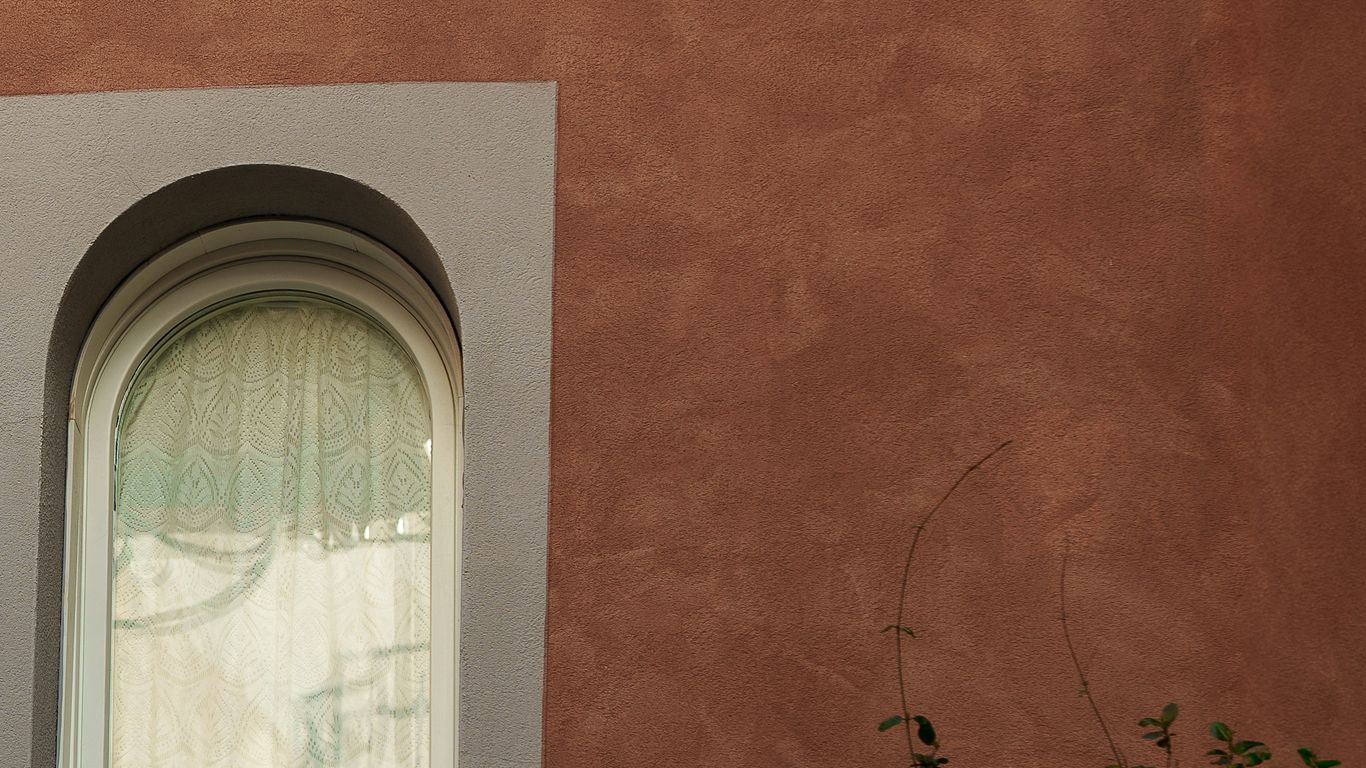
When you’re thinking about changing up the look of your house, or maybe the old siding just isn’t cutting it anymore, exterior siding installation is a big deal. It’s not just about making your home look good; it’s about protecting it from the weather, keeping it energy efficient, and adding to its overall value. There are tons of options out there, from vinyl and wood to fiber cement and, of course, stucco. Each has its own pros and cons, so picking the right one really depends on what you’re looking for in terms of looks, durability, and how much upkeep you’re willing to do.
Here’s a quick rundown of some popular siding choices:
- Vinyl Siding: It’s popular because it’s generally affordable and comes in a huge range of colors and styles. Plus, it’s pretty low maintenance.
- Fiber Cement Siding: This stuff is tough. It can mimic the look of wood but is way more resistant to rot, insects, and fire. It’s a bit more of an investment upfront, though.
- Stucco: As we’ve talked about, stucco offers a classic look and is really durable. It’s great for our climate here in Illinois because it holds up well against temperature changes. You can get it in different textures too, which is cool.
- Wood Siding: Nothing beats the natural beauty of wood, but it definitely requires the most maintenance. It needs regular painting or staining to protect it from the elements.
Choosing the right siding is a big decision, and it’s worth looking into what works best for your specific home and budget. Sometimes, it’s not just about slapping something on; it’s about the whole system working together. For instance, making sure there’s proper ventilation behind the siding can prevent moisture issues down the road. It’s also a good idea to think about how the siding will work with other exterior elements like windows and doors. If you’re considering stucco, remember that proper installation is key to its longevity and performance. You can find more details on different exterior materials and their benefits compared to stucco here.
The process of installing new siding involves more than just attaching panels to your walls. It’s about creating a protective barrier that keeps your home dry, comfortable, and secure. This includes proper flashing around windows and doors, ensuring a tight seal, and considering the underlayment that goes behind the siding itself. A well-installed siding system can significantly reduce your energy bills and protect your home’s structure from water damage.
When you’re ready to get new siding, it’s usually best to hire professionals. They know the ins and outs of different materials and installation techniques. They can also help you figure out the best options for your home’s specific needs and local climate. Getting a few quotes from different contractors is always a smart move. You want to make sure you’re getting quality work at a fair price. For those in the area looking for stucco services, checking out local stucco companies can give you a good starting point for finding experienced installers.
8. EIFS siding repair
Even though EIFS (Exterior Insulation and Finish Systems) is a tough material, it’s not immune to damage. Over time, you might notice things like cracks, chips, or even areas where the finish has started to peel away. These aren’t just cosmetic issues; they can sometimes be signs of bigger problems, like water getting behind the system.
Addressing EIFS siding repair promptly is key to preventing more serious damage and keeping your home protected. Ignoring small issues can lead to bigger, more expensive repairs down the line, not to mention potential problems with insulation and the structural integrity of your walls.
When you’re looking for EIFS siding repair, you want a contractor who really knows their stuff. EIFS is different from traditional stucco, and it requires specific knowledge and techniques to fix correctly. A good contractor will be able to:
- Inspect the damage thoroughly to figure out the cause.
- Match the texture and color of the existing EIFS so the repair blends in.
- Use the right materials and methods to ensure the repair is durable and waterproof.
- Check for any underlying moisture issues that could be causing the damage.
Sometimes, the damage might look minor, but it could be a sign that water has found its way in. This is especially true if you notice any discoloration or soft spots. It’s always better to be safe than sorry, so if you suspect water damage, it’s worth getting a professional opinion. They can help determine if water damage restoration is needed.
Think of EIFS repair like a puzzle. You need the right pieces and the right way to put them together so the whole picture looks right and stays strong. A botched repair won’t just look bad; it could actually make the problem worse by not sealing out moisture properly.
So, if you’re seeing any wear and tear on your EIFS siding, don’t hesitate to call in the pros. They have the experience to get it fixed right the first time, keeping your home looking great and staying protected from the elements.
9. Exterior plastering
When we talk about exterior plastering, we’re essentially talking about a very traditional way to finish the outside of a building. Think of it as a more refined version of stucco, often applied in thinner layers and sometimes with more decorative finishes. It’s not just about slapping on a coat of cement; it’s an art form that can give your home a really unique and classic look.
What’s the Difference Between Plastering and Stucco?
While they’re related, exterior plastering and stucco aren’t exactly the same. Stucco is generally a thicker, more robust material, often applied in three layers. Exterior plastering can be similar but might involve finer materials and different application techniques, especially for decorative elements. It’s all about achieving a specific look and feel.
When to Consider Exterior Plastering:
- Aesthetic Appeal: You want a smooth, refined finish that’s different from the typical textured stucco. This could include ornamental details or a specific color palette.
- Historic Restoration: Older homes often used exterior plaster, and replicating that look requires specialized plastering skills.
- Custom Designs: If you’re looking for unique patterns, textures, or even murals applied to your exterior walls, plastering offers a lot of flexibility.
The Process:
Exterior plastering usually involves several steps. First, a base coat is applied over a lath or mesh to provide a solid foundation. Then, subsequent coats are added to build thickness and achieve the desired texture. Finally, a finish coat is applied, which can be smooth, textured, or colored. It’s a labor-intensive process that really benefits from the touch of a skilled professional. Hiring a professional for stucco jobs ensures quality and longevity.
The key to great exterior plastering is attention to detail. It’s about creating a durable, beautiful surface that stands up to the elements while looking fantastic. This isn’t a weekend DIY project for most people; it’s a job that calls for experience and a good eye.
If you’re thinking about giving your home a distinctive look with exterior plastering, it’s worth talking to contractors who specialize in this type of work. They can guide you through the options and make sure the job is done right, giving your home that timeless appeal. You can find experts who handle everything from skim coating to more elaborate ornamental plastering.
10. Stucco painting
Giving your stucco a fresh coat of paint can really make your home pop. It’s not just about looks, though. The right paint can add another layer of protection against the elements, which is super important here in Lake Zurich with our crazy weather.
When you’re thinking about painting your stucco, there are a few things to keep in mind. First off, not all paints are created equal, especially when it comes to stucco. You’ll want to use a breathable paint, often called a "stucco paint" or "elastomeric coating." These allow moisture vapor to escape from the walls, preventing issues down the line. Using the wrong kind of paint can trap moisture, leading to problems like cracking or peeling.
Here’s a quick rundown of what to consider:
- Surface Prep is Key: Before any paint hits the wall, it needs to be clean. This usually means pressure washing to get rid of dirt, mildew, and old, peeling paint. Any loose bits need to be scraped away, and small cracks should be filled.
- Choosing the Right Paint: Look for "elastomeric" or "100% acrylic latex" paints. They are flexible and can bridge small hairline cracks, offering better durability than standard paints.
- Application Matters: Whether you spray or roll it on, make sure you get an even coat. Some jobs might need two coats for full coverage and protection.
Getting the prep work done right is probably the most important step for a long-lasting paint job. If you skip this, even the best paint won’t hold up.
Think about the colors too! A lighter color might help keep your home cooler in the summer, while a darker shade can add a cozy feel. It’s a good idea to get a professional opinion on what colors would best suit your home’s style and the surrounding landscape. If you’re unsure about the condition of your stucco, getting a professional stucco inspection is a smart move before you start painting. It helps catch any underlying issues that could affect the paint job.
Ultimately, painting your stucco is a project that can boost your home’s curb appeal and protect your investment. If you’re not comfortable tackling the prep work or application yourself, hiring a professional painting contractor who specializes in stucco is a great way to go. They have the tools and know-how to get it done right.
Painting your stucco surfaces can make a big difference in how your home looks. It’s a great way to refresh your home’s appearance and protect the stucco. We can help you choose the right colors and ensure a smooth, lasting finish. Ready to give your home a new look? Visit our website to see our gallery and get a free quote!
Wrapping It Up
So, finding the right stucco contractor in Lake Zurich doesn’t have to be a huge headache. Remember to check out their experience, see if they’ve done similar jobs before, and always get a few quotes. Stucco is a great choice for your home, and with the right team on board, your project will turn out looking sharp and lasting for years. Don’t hesitate to reach out to local pros like Illinois Stucco if you’re in the area – they seem to know their stuff when it comes to all things stucco, from repairs to full installations. Good luck with your home improvement!
Frequently Asked Questions
What exactly is stucco?
Stucco is a building material that looks a lot like plaster. It’s made from cement, sand, and water. Once it’s put on your house, it dries hard and creates a tough, textured surface. It’s great because it can handle different weather, like heat, cold, and even a lot of sun, without getting damaged easily.
Why should I consider stucco for my home?
Stucco is a really strong material that can take a few bumps and scrapes without showing much damage. It’s also good at resisting water and changes in temperature, which means it can last a very long time, especially on the outside of your house. Plus, it’s a good way to make your home look nice without spending a fortune.
Is stucco a costly option for home exteriors?
Actually, stucco is quite affordable compared to many other exterior materials. When you think about how long it lasts and how well it holds up, it’s a really good deal. Local companies often have competitive prices for stucco work, making it a budget-friendly choice for many homeowners.
What’s the difference between stucco and EIFS?
Traditional stucco is a cement-based plaster applied in layers. EIFS, on the other hand, stands for Exterior Insulation and Finish System. It’s like a synthetic stucco, often including a layer of foam insulation behind the decorative finish. While they look similar, EIFS can offer better insulation.
How often does stucco need repairs?
Stucco is pretty tough, so it doesn’t usually need repairs very often. Small cracks, sometimes less than 1/16 of an inch wide, can appear over time due to the house settling. If these are caught early, they’re usually easy to fix. However, larger cracks can let water in and cause more serious problems, so it’s best to have them checked by a professional.
Can stucco be painted?
Yes, stucco can definitely be painted! Painting stucco is a popular way to refresh its look and add another layer of protection. When done by experienced painters, it can make your home look great and help seal the surface against the elements.